
Growth begins when cells in the body start to become wild. Cells in almost any piece of the body can move toward becoming malignancy, and can spread to different territories of the body. To take in more about how diseases begin and spread, see What Is Cancer?
An eye disease begins in the eye. There are distinctive kinds of eye growths. To comprehend eye tumors, it knows something about the parts of the eye and what they do.
Parts of the eye
The eye has 3 noteworthy parts: the eyeball (globe), the circle, and the adnexal structures.
delineation demonstrating parts of the eye including the conjunctiva, foremost chamber, cornea, focal point, iris, ciliary body, circle, optic nerve, chorid, retina and sclera
Eyeball
The principle part of the eye is the eyeball (otherwise called the globe), which is generally loaded with a jam like material called vitreous diversion. The eyeball has 3 primary layers: the sclera, the uvea, and the retina.
Sclera: The sclera is the intense, white covering over the vast majority of the outside of the eyeball. In the front of the eye it is persistent with the cornea, which is obvious to let light through.
Uvea: The uvea is the center layer of the eyeball. It is the place most melanomas of the eye create. The uvea has 3 primary parts:
The iris is the shaded piece of the eye (frequently blue or dark colored). It encompasses the student, the little opening that gives light a chance to enter the eyeball.
The choroid is a thin, pigmented layer coating the eyeball that sustains the retina and the front of the eye with blood.
The ciliary body contains the muscles inside the eye that change the state of the focal point with the goal that the eye can center around close or removed articles. It likewise has cells that influence watery to humor, the reasonable liquid in the front of the eye between the cornea and the focal point.
Retina: The retina is the inward layer of cells in the back of the eye. It is comprised of particular nerve cells that are touchy to light. These light-detecting cells are associated with the cerebrum by the optic nerve. At the point when light enters the eye it goes through the viewpoint, which centers it around the retina. The example of light (picture) showing up on the retina is sent through the optic nerve to a zone of the mind called the visual cortex, enabling us to see.
Malignancies that influence the eyeball are called intraocular (inside the eye) growths.
Circle
The circle comprises of the tissues encompassing the eyeball. These incorporate muscles that move the eyeball in various ways and the nerves connected to the eye.
Malignancies of these tissues are called orbital tumors.
Adnexal structures
Adnexal (extra) structures incorporate the eyelids and tear organs. Malignancies that create in these tissues are called adnexal diseases.
Malignancies in the eye (intraocular tumors)
Two sorts of malignancies can be found in the eye.
Essential intraocular growths begin inside the eyeball. In grown-ups, melanoma is the most well-known essential intraocular disease, trailed by essential intraocular lymphoma. These 2 tumors are the focal point of this report.
In youngsters, retinoblastoma (a disease that begins in cells in the retina) is the most well-known essential intraocular tumor, and medulloepithelioma is the following most normal (however is still to a great degree uncommon). These youth malignancies are examined in Retinoblastoma.
Auxiliary intraocular diseases begin elsewhere in the body and afterward spread to the eye. These are not really "eye tumors," but rather they are in reality more typical than essential intraocular diseases. The most widely recognized growths that spread to the eye are bosom and lung tumors. Frequently these growths spread to the piece of the eyeball called the uvea. For more data on these sorts of diseases, see our reports on them.
Intraocular (melanoma of the eye)
Intraocular melanoma is the most widely recognized sort of disease that creates inside the eyeball in grown-ups, yet it is still genuinely uncommon. Melanomas of the skin are substantially more typical than intraocular melanomas.
Melanomas create from shade making cells called melanocytes. At the point when melanoma creates in the eye, it is normally in the uvea, which is the reason these malignancies are likewise called uveal melanomas.
Around 9 out of 10 intraocular melanomas create in the choroid or ciliary body (which are parts of the uvea). Choroid cells make an indistinguishable sort of shade from melanocytes in the skin, so it's not shocking that these cells once in a while frame melanomas.
The majority of the other intraocular melanomas begin in the iris (additionally part of the uvea). These are the most straightforward for a man (or their specialist) to see since they regularly begin in a dull spot on the iris that has been available for a long time and afterward starts to develop. These melanomas more often than not are genuinely moderate developing, and they once in a while spread to different parts of the body. Consequently, individuals with iris melanomas by and large have a decent guess (viewpoint).
Intraocular melanomas are by and large comprised of 2 various types of cells.
Shaft cells: These are long, thin cells.
Epithelioid cells: These cells are relatively round yet with some straight edges.
Most tumors have the two sorts of cells. The viewpoint is better if the tumors are generally axle cells rather than for the most part epithelioid cells. Epithelioid tumors will probably spread to far off parts of the body, (for example, the liver). In the event that you have intraocular melanoma, your specialist can disclose to you which sort of cells were found.
Essential intraocular (lymphoma of the eye)
Lymphoma is a kind of tumor that begins in invulnerable framework cells called lymphocytes. Most lymphomas begin in lymph hubs, which are bean-sized accumulations of invulnerable framework cells scattered all through the body. Lymphomas can likewise begin in inward organs, for example, the stomach, lungs, and seldom, in the eyes.
There are 2 primary sorts of lymphoma: Hodgkin malady and non-Hodgkin lymphoma. Essential intraocular lymphoma is a kind of non-Hodgkin lymphoma. The vast majority with essential intraocular lymphoma are elderly or have safe framework issues, for example, AIDS. Essential intraocular lymphoma is regularly observed alongside lymphoma of the cerebrum, known as essential focal sensory system (CNS) lymphoma.
Orbital and adnexal growths
Growths of the circle and adnexa create from tissues, for example, muscle, nerve, and skin around the eyeball and resemble their partners in different parts of the body. These are portrayed in our different records on diseases of muscle, nerve, skin, and so on. For instance, diseases of the eyelid are normally skin malignancies, which are portrayed in our reports on skin tumors ( Melanoma Skin Cancer and Skin Cancer: Basal and Squamous Cell). Muscle disease is depicted in Rhabdomyosarcoma.
Eye cancer
By Khali Bhutta

Lung disease, otherwise called lung carcinoma,[7] is a threatening lung tumor described by uncontrolled cell development in tissues of the lung.[10] This development can spread past the lung by the procedure of metastasis into adjacent tissue or different parts of the body.[11] Most malignancies that begin in the lung, known as essential lung growths, are carcinomas.[12] The two principle writes are little cell lung carcinoma (SCLC) and non-little cell lung carcinoma (NSCLC).[3] The most widely recognized side effects are hacking (counting hacking up blood), weight reduction, shortness of breath, and chest pains.[1]
Most by far (85%) of instances of lung disease are because of long haul tobacco smoking.[4] About 10– 15% of cases happen in individuals who have never smoked.[13] These cases are frequently caused by a mix of hereditary variables and introduction to radon gas, asbestos, second-hand smoke, or different types of air pollution.[4][14][5][15] Lung tumor might be seen on chest radiographs and processed tomography (CT) scans.[7] The determination is affirmed by biopsy which is typically performed by bronchoscopy or CT-guidance.[6][16]
Shirking of hazard factors, including smoking and air contamination, is the essential technique for prevention.[17] Treatment and long haul results rely upon the sort of tumor, the stage (level of spread), and the individual's general health.[7] Most cases are not curable.[3] Common medicines incorporate surgery, chemotherapy, and radiotherapy.[7] NSCLC is at times treated with surgery, while SCLC more often than not reacts better to chemotherapy and radiotherapy.[18]
Worldwide in 2012, lung disease happened in 1.8 million individuals and brought about 1.6 million deaths.[12] This makes it the most widely recognized reason for growth related demise in men and second most normal in ladies after bosom cancer.[19] The most well-known age at analysis is 70 years.[2] Overall, 17.4% of individuals in the United States determined to have lung malignancy survive five years after the diagnosis,[2] while results all things considered are more regrettable in the creating world.[20]
Signs and manifestations
Signs and manifestations which may propose lung disease include:[1]
Respiratory manifestations: hacking, hacking up blood, wheezing, or shortness of breath
Foundational indications: weight reduction, shortcoming, fever, or clubbing of the fingernails
Manifestations because of the disease mass pushing on contiguous structures: chest torment, bone agony, unrivaled vena cava deterrent, or trouble gulping
In the event that the growth develops in the aviation routes, it might impede wind stream, causing breathing challenges. The impediment can prompt aggregation of discharges behind the blockage, and incline to pneumonia.[1]
Contingent upon the sort of tumor, paraneoplastic wonders—manifestations not because of the neighborhood nearness of growth—may at first draw in thoughtfulness regarding the disease.[21] In lung malignancy, these marvels may incorporate hypercalcemia, disorder of wrong antidiuretic hormone (SIADH, strangely focused pee and weakened blood), ectopic ACTH creation, or Lambert– Eaton myasthenic disorder (muscle shortcoming because of autoantibodies). Tumors in the highest point of the lung, known as Pancoast tumors, may attack the neighborhood part of the thoughtful sensory system, prompting Horner's disorder (dropping of the eyelid and a little student on that side), and additionally harm to the brachial plexus.[1]
A significant number of the indications of lung growth (poor craving, weight reduction, fever, weariness) are not specific.[6] In numerous individuals, the malignancy has officially spread past the first site when they have manifestations and look for medicinal attention.[22] Symptoms that propose the nearness of metastatic sickness incorporate weight reduction, bone torment and neurological side effects (migraines, swooning, writhings, or appendage weakness).[1] Common destinations of spread incorporate the mind, bone, adrenal organs, inverse lung, liver, pericardium, and kidneys.[22] About 10% of individuals with lung disease don't have side effects at conclusion; these tumors are by chance found on routine chest radiography.[16]
Causes
Connection between cigarette utilization per individual (blue) and male lung disease rates (green) in the US throughout the century.
Danger of death from lung malignancy is firmly related with smoking
Malignancy creates following hereditary harm to DNA and epigenetic changes. These progressions influence the typical elements of the cell, including cell multiplication, modified cell passing (apoptosis) and DNA repair. As more harm gathers, the danger of disease increases.[23]
Smoking
Tobacco smoking is by a wide margin the fundamental supporter of lung cancer.[4] Cigarette smoke contains no less than 73 known carcinogens,[24] including benzo[a]pyrene,[25] NNK, 1,3-butadiene and a radioactive isotope of polonium, polonium-210.[24] Across the created world, 90% of lung growth passings in men amid the year 2000 were ascribed to smoking (70% for women).[26] Smoking records for around 85% of lung disease cases.[7]
Aloof smoking—the inward breath of smoke from another's smoking—is a reason for lung malignancy in nonsmokers. A latent smoker can be characterized as somebody living or working with a smoker. Concentrates from the US,[27][28][29] Europe[30] and the UK[31] have reliably demonstrated an altogether expanded hazard among those presented to detached smoke.[32] Those who live with somebody who smokes have a 20– 30% expansion in chance while the individuals who work in a situation with used smoke have a 16– 19% expansion in risk.[33] Investigations of sidestream smoke propose it is more perilous than coordinate smoke.[34] Passive smoking causes around 3,400 passings from lung malignancy every year in the USA.[29]
Weed smoke contains a large number of an indistinguishable cancer-causing agents from those in tobacco smoke.[35] However, the impact of smoking cannabis on lung disease hazard isn't clear.[36][37] A 2013 survey did not locate an expanded hazard from light to direct use.[38] A 2014 audit found that smoking cannabis multiplied the danger of lung cancer.[39]
Radon gas
Radon is a dry and scentless gas created by the breakdown of radioactive radium, which thusly is the rot result of uranium, found in the Earth's covering. The radiation rot items ionize hereditary material, causing transformations that occasionally turn carcinogenic. Radon is the second-most regular reason for lung malignancy in the USA,[40] causing around 21,000 passings each year.[41] The hazard increments 8– 16% for each 100 Bq/m³ increment in the radon concentration.[42] Radon gas levels change by region and the sythesis of the basic soil and shakes. Around one out of 15 homes in the US has radon levels over the prescribed rule of 4 picocuries per liter (pCi/l) (148 Bq/m³).[43]
Asbestos
Asbestos can cause an assortment of lung sicknesses, including lung malignancy. Tobacco smoking and asbestos synergistically affect the arrangement of lung cancer.[5] In smokers who work with asbestos, the danger of lung disease is expanded 45-overlap contrasted with the general population.[44] Asbestos can likewise cause growth of the pleura, called mesothelioma (which is unique in relation to lung cancer).[45]
Air contamination
Open air poisons, particularly chemicals discharged from the copying of non-renewable energy sources, increment the danger of lung cancer.[4] Fine particulates (PM2.5) and sulfate pressurized canned products, which might be discharged in rush hour gridlock debilitate exhaust, are related with somewhat expanded risk.[4][46] For nitrogen dioxide, an incremental increment of 10 sections for every billion builds the danger of lung malignancy by 14%.[47] Outdoor air contamination is evaluated to represent 1– 2% of lung cancers.[4]
Speculative confirmation underpins an expanded danger of lung malignancy from indoor air contamination identified with the consuming of wood, charcoal, manure or harvest buildup for cooking and heating.[48] Women who are presented to indoor coal smoke have about double the hazard and some of the side-effects of consuming biomass are known or suspected carcinogens.[49] This hazard influences around 2.4 billion individuals globally,[48] and is accepted to represent 1.5% of lung tumor deaths.[49]
Hereditary qualities
Around 8% of lung malignancy is because of acquired factors.[50] In relatives of individuals with lung disease, the hazard is multiplied. This is likely because of a mix of genes.[51] Polymorphisms on chromosomes 5, 6 and 15 are known to influence the danger of lung cancer.[52]
Different causes
Various different substances, occupations, and ecological exposures have been connected to lung disease. The International Agency for Research on Cancer (IARC) states there is "adequate proof" to demonstrate the accompanying are cancer-causing in the lungs:[53]
Lung cancer
By Khali Bhutta
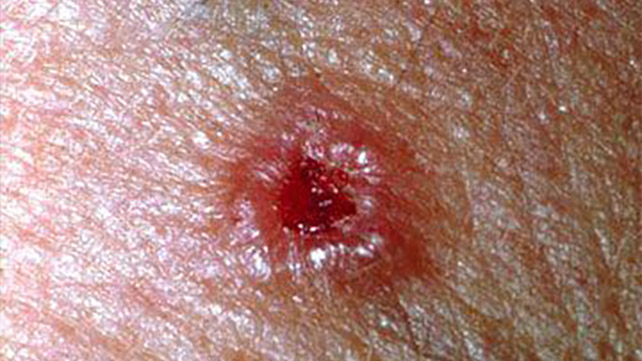
Skin diseases are tumors that emerge from the skin. They are because of the advancement of anomalous cells that can attack or spread to different parts of the body.[10] There are three primary sorts of skin diseases: basal-cell skin growth (BCC), squamous-cell skin malignancy (SCC) and melanoma.[1] The initial two, alongside various less basic skin tumors, are known as nonmelanoma skin disease (NMSC).[5][11] Basal-cell growth develops gradually and can harm the tissue around it however is probably not going to spread to far off regions or result in death.[5] It frequently shows up as an effortless raised region of skin, that might be sparkly with little vein running over it or may present as a raised zone with a ulcer.[1] Squamous-cell skin disease will probably spread.[5] It generally displays as a hard irregularity with a textured best yet may likewise frame a ulcer.[2] Melanomas are the most forceful. Signs incorporate a mole that has changed in measure, shape, shading, has unpredictable edges, has more than one shading, is bothersome or bleeds.[3]
More noteworthy than 90% of cases are caused by presentation to bright radiation from the Sun.[4] This introduction expands the danger of each of the three principle sorts of skin cancer.[4] Exposure has expanded incompletely because of a more slender ozone layer.[5][12] Tanning beds are turning into another normal wellspring of bright radiation.[4] For melanomas and basal-cell diseases presentation amid youth is especially harmful.[6] For squamous-cell skin malignancies add up to presentation, regardless of when it happens, is more important.[4] Between 20% and 30% of melanomas create from moles.[6] People with light skin are at higher risk[1][13] similar to those with poor insusceptible capacity, for example, from pharmaceuticals or HIV/AIDS.[5][14] Diagnosis is by biopsy.[3]
Diminishing presentation to bright radiation and the utilization of sunscreen seem, by all accounts, to be successful techniques for averting melanoma and squamous-cell skin cancer.[6][7] It isn't clear if sunscreen influences the danger of basal-cell cancer.[7] Nonmelanoma skin growth is normally curable.[5] Treatment is for the most part by surgical evacuation yet may less regularly include radiation treatment or topical prescriptions, for example, fluorouracil.[1] Treatment of melanoma may include some blend of surgery, chemotherapy, radiation treatment, and focused on therapy.[3] In those individuals whose illness has spread to different zones of their bodies, palliative care might be utilized to enhance nature of life.[3] Melanoma has one of the higher survival rates among tumors, with more than 86% of individuals in the UK and over 90% in the United States surviving more than 5 years.[15][16]
Skin tumor is the most widely recognized type of malignancy, all around representing no less than 40% of cases.[5][17] The most well-known compose is nonmelanoma skin disease, which happens in no less than 2-3 million individuals for every year.[6][18] This is a harsh gauge, in any case, as great measurements are not kept.[1] Of nonmelanoma skin growths, around 80% are basal-cell growths and 20% squamous-cell skin cancers.[11] Basal-cell and squamous-cell skin growths infrequently result in death.[6] In the United States they were the reason for under 0.1% of all disease deaths.[1] Globally in 2012 melanoma happened in 232,000 individuals, and brought about 55,000 deaths.[6] Australia and New Zealand have the most noteworthy rates of melanoma in the world.[6] The three primary kinds of skin malignancy have turned out to be more typical in the last 20 to 40 years, particularly in those zones which are generally Caucasian.[5][6]
Arrangement
There are three principle sorts of skin disease: basal-cell skin growth (basal-cell carcinoma) (BCC), squamous-cell skin tumor (squamous-cell carcinoma) (SCC) and dangerous melanoma.
Cancer Description Illustration
Basal-cell carcinoma Note the silvery translucency to plump shading, minor veins at first glance, and at some point ulceration which can be qualities. The key term is translucency.
Basal cell carcinoma3.JPG
Squamous-cell skin carcinoma Commonly exhibits as a red, crusted, or layered fix or knock. Regularly an extremely quick developing tumor.
Squamous Cell Carcinoma1.jpg
Dangerous melanoma The regular appearance is an awry zone, with a sporadic fringe, shading variety, and frequently more noteworthy than 6 mm diameter.[19]
Melanoma.jpg
Basal-cell carcinomas are available on sun-uncovered zones of the skin, particularly the face. They once in a while metastasize and once in a while cause passing. They are effectively treated with surgery or radiation. Squamous-cell skin tumor are normal, however significantly less basic than basal-cell diseases. They metastasize more oftentimes than BCCs. And still, at the end of the day, the metastasis rate is very low, except for SCC of the lip, ear, and in individuals who are immunosuppressed. Melanoma are the minimum incessant of the 3 normal skin malignancies. They regularly metastasize, and could possibly cause passing once they spread.
Less normal skin malignancies include: dermatofibrosarcoma protuberans, Merkel cell carcinoma, Kaposi's sarcoma, keratoacanthoma, axle cell tumors, sebaceous carcinomas, microcystic adnexal carcinoma, Paget's infection of the bosom, atypical fibroxanthoma, leiomyosarcoma, and angiosarcoma.
BCC and SCC frequently convey an UV-signature change showing that these diseases are caused by UVB radiation by means of direct DNA harm. However threatening melanoma is transcendently caused by UVA radiation by means of aberrant DNA harm. The backhanded DNA harm is caused by free radicals and responsive oxygen species. Research shows that the assimilation of three sunscreen fixings into the skin, joined with a hour long introduction to UV, prompts an expansion of free radicals in the skin, if connected in too little amounts and excessively infrequently.[20] However, the specialists include that fresher creams frequently don't contain these particular mixes, and that the mix of different fixings has a tendency to hold the mixes on the surface of the skin. They additionally include the successive re-application decreases the danger of radical arrangement.
Signs and indications
There are a wide range of skin malignancy side effects. These incorporate changes in the skin that don't recuperate, ulcering in the skin, stained skin, and changes in existing moles, for example, barbed edges to the mole and broadening of the mole.
Basal-cell skin malignancy
Basal-cell skin malignancy (BCC) generally shows as a raised, smooth, magnificent knock on the sun-uncovered skin of the head, neck or shoulders. Some of the time little veins (called telangiectasia) can be seen inside the tumor. Crusting and seeping in the focal point of the tumor every now and again creates. It is frequently confused for a sore that does not mend. This type of skin malignancy is the slightest dangerous and with legitimate treatment can be totally wiped out, regularly without scarring.
Squamous-cell skin malignancy
Squamous-cell skin malignancy (SCC) is regularly a red, scaling, thickened fix on sun-uncovered skin. Some are firm hard knobs and vault molded like keratoacanthomas. Ulceration and draining may happen. At the point when SCC isn't dealt with, it might form into an expansive mass. Squamous-cell is the second most basic skin tumor. It is unsafe, yet not so perilous as a melanoma.
Melanoma
Most melanoma comprise of different hues from shades of darker to dark. Few melanoma are pink, red or plump in shading; these are called amelanotic melanoma and have a tendency to be more forceful. Cautioning indications of harmful melanoma incorporate change in the size, shape, shading or height of a mole. Different signs are the presence of another mole amid adulthood or agony, tingling, ulceration, redness around the site, or seeping at the site. A regularly utilized memory helper is "ABCDE", where An is for "awry", B for "outskirts" (sporadic: "Shoreline of Maine sign"), C for "shading" (variegated), D for "distance across" (bigger than 6 mm—the span of a pencil eraser) and E for "evolving."[21][22]
Other
Merkel cell carcinomas are frequently quickly developing, non-delicate red, purple or skin hued knocks that are not difficult or bothersome. They might be confused for a pimple or another kind of cancer.[23]
Causes
Bright radiation from sun introduction is the essential natural reason for skin cancer.[24][25][26] Other hazard factors that assume a part include:
Smoking tobacco[25]
HPV contaminations increment the danger of squamous-cell skin cancer.[25]
Some hereditary syndromes[25] including innate melanocytic nevi disorder which is portrayed by the nearness of nevi (skin colorations or moles) of fluctuating size which are either present during childbirth, or show up inside a half year of birth. Nevi bigger than 20 mm (3/4") in measure are at higher hazard for getting to be destructive.
Constant non-recuperating wounds.[25] These are called Marjolin's ulcers in view of their appearance, and can form into squamous-cell skin growth.
Skin cancer
By Khali Bhutta
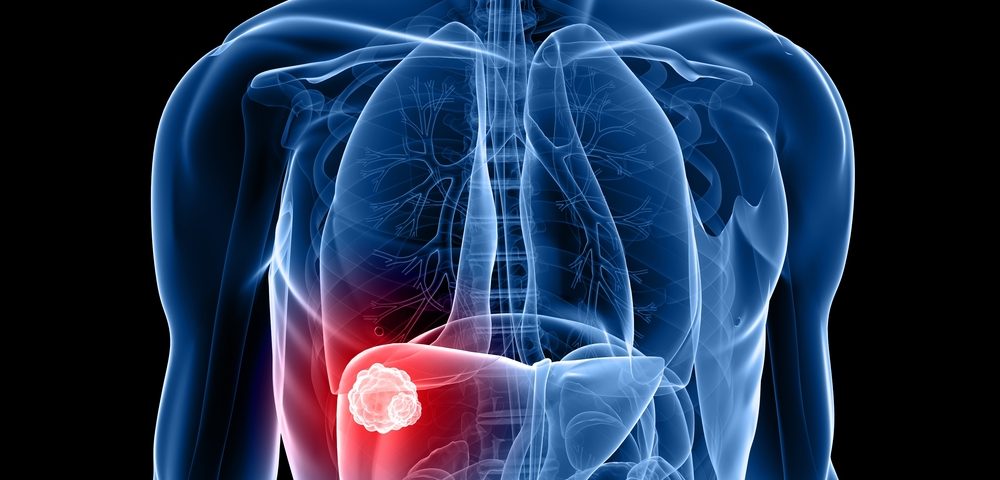
Liver tumor, otherwise called hepatic malignancy and essential hepatic disease, is growth that begins in the liver.[1] Cancer which has spread from somewhere else to the liver, known as liver metastasis, is more typical than that which begins in the liver.[3] Symptoms of liver disease may incorporate a protuberance or agony in the correct side beneath the rib confine, swelling of the stomach area, yellowish skin, simple wounding, weight reduction, and weakness.[1]
The main source of liver growth is cirrhosis because of hepatitis B, hepatitis C, or alcohol.[4] Other causes incorporate aflatoxin, non-alcoholic greasy liver illness, and liver flukes.[3] The most widely recognized writes are hepatocellular carcinoma (HCC), which makes up 80% of cases, and cholangiocarcinoma.[3] Less basic composes incorporate mucinous cystic neoplasm and intraductal papillary biliary neoplasm.[3] The finding might be upheld by blood tests and restorative imaging with affirmation by tissue biopsy.[1]
Preventive endeavors incorporate vaccination against hepatitis B and treating those contaminated with hepatitis B or C.[3] Screening is suggested in those with incessant liver disease.[3] Treatment choices may incorporate surgery, directed treatment, and radiation therapy.[1] In specific cases removal treatment, embolization treatment, or liver transplantation might be used.[1] Small irregularities in the liver might be nearly followed.[1]
Essential liver growth is all around the 6th most successive tumor (6%) and the second driving reason for death from disease (9%).[3][7] In 2012 it happened in 782,000 individuals and in 2015 brought about 810,500 deaths.[7][6] In 2015, 263,000 passings from liver malignancy were because of hepatitis B, 167,000 to hepatitis C, and 245,000 to alcohol.[6] Higher rates of liver disease happen where hepatitis B and C are normal, including Asia and sub-Saharan Africa.[3] Males are more regularly influenced with HCC than females.[3] Diagnosis is most continuous among those 55 to 65 years old.[2] Five-year survival rates are 18% in the United States.[2] "hepatic" is from the Greek hêpar, signifying "liver."[8]
Grouping
The most continuous liver malignancy, representing around 75% of all essential liver growths, is hepatocellular carcinoma (HCC) (likewise named hepatoma, which is a misnomer since adenomas are normally amiable). HCC is a growth shaped by liver cells, known as hepatocytes, that end up harmful. Another kind of growth shaped by liver cells is hepatoblastoma, which is particularly framed by juvenile liver cells.[9] It is an uncommon threatening tumor that essentially creates in youngsters, and records for around 1% of all malignancies in kids and 79% of all essential liver diseases younger than 15. Most hepatoblastomas frame in the privilege lobe.[10]
Liver growth can likewise frame from different structures inside the liver, for example, the bile conduit, veins and invulnerable cells. Disease of the bile pipe (cholangiocarcinoma and cholangiocellular cystadenocarcinoma) represent around 6% of essential liver cancers.[9] There is likewise a variation kind of HCC that comprises of both HCC and cholangiocarcinoma.[11] Tumors of the veins (angiosarcoma and hemangioendothelioma, embryonal sarcoma and fibrosarcoma are delivered from a sort of connective tissue known as mesenchyme. Diseases delivered from muscle in the liver are leiomyosarcoma and rhabdomyosarcoma. Different less basic liver malignancies incorporate carcinosarcomas, teratomas, yolk sac tumors, carcinoid tumors and lymphomas.[9] Lymphomas as a rule have diffuse invasion to liver, yet It might likewise shape a liver mass in uncommon events.
Numerous malignancies found in the liver are not genuine liver growths, but rather are diseases from different locales in the body that have spread to the liver (known as metastases). Every now and again, the site of starting point is the gastrointestinal tract, since the liver is near a significant number of these metabolically dynamic, blood-rich organs close to veins and lymph hubs, (for example, pancreatic disease, stomach malignancy, colon growth and carcinoid tumors principally of the index), yet in addition from bosom tumor, ovarian disease, lung tumor, renal tumor, prostate growth.
Signs and side effects
Since liver malignancy is an umbrella term for some sorts of tumor, the signs and side effects rely upon what kind of growth is available. Cholangiocarcinoma is related with sweating, jaundice, stomach torment, weight reduction and liver enlargement.[12] Hepatocellular carcinoma is related with stomach mass, stomach torment, emesis, sickliness, back agony, jaundice, tingling, weight reduction and fever.[13]
Causes
Viral contamination with either hepatitis C infection (HCV) or Hepatitis B infection (HBV) is the main source of liver disease on the planet today, representing 80% of hepatocellular carcinoma (HCC).[14][15][16] The infections cause HCC in light of the fact that gigantic aggravation, fibrosis and inevitable cirrhosis happens inside the liver. HCC generally emerges after cirrhosis, with a yearly occurrence of 1.7% in cirrhotic HCV-contaminated individuals.[17] Around 5-10% of people that end up tainted with HBV wind up unending transporters, and around 30% of these obtain interminable liver ailment, which can prompt HCC.[14] HBV disease is additionally connected to cholangiocarcinoma.[18] The part of infections other than HCV or HBV in liver malignancy is significantly less clear, in spite of the fact that there is some confirmation that co-disease of HBV and hepatitis D infection may expand the danger of HCC.[19]
Numerous hereditary and epigenetic changes are shaped in liver cells amid HCV and HBV disease, which is a central point in the creation of the liver tumors. The infections incite threatening changes in cells by modifying quality methylation, influencing quality articulation and advancing or quelling cell flag transduction pathways. By doing this the infections can keep cells from experiencing a modified type of cell demise (apoptosis) and advance viral replication and persistence.[14][17]
HBV and HCV additionally instigate dangerous changes by causing DNA harm and genomic precariousness. This is by making responsive oxygen species, express proteins that meddle with DNA repair chemicals, and HCV causes enactment of a mutator enzyme.[20][21]
Cirrhosis
High amplification micrograph of a liver with cirrhosis. Trichrome stain. The most widely recognized reason for cirrhosis in the Western world is liquor mishandle - the reason for cirrhosis for this situation.
Notwithstanding infection related cirrhosis depicted above, different reasons for cirrhosis can prompt HCC. Liquor admission relates with danger of HCC, and the hazard is far more prominent in people with a liquor instigated cirrhotic liver. There are a couple of disarranges that are known to make cirrhosis and lead disease, including inherited hemochromatosis and essential biliary cirrhosis.[22]
Aflatoxin
Aflatoxin presentation can prompt the improvement of HCC. The aflatoxins are a gathering of chemicals created by the growths Aspergillus flavus (the name originates from A. flavus poison) and A. parasiticus. Nourishment pollution by the parasites prompts ingestion of the chemicals, which are extremely lethal to the liver. Regular foodstuffs polluted with the poisons are oats, peanuts and different vegetables. Sullying of sustenance is basic in Africa, South-East Asia and China. Simultaneous HBV disease and aflatoxin presentation expands the danger of liver tumor to more than three times that seen in HBV contaminated people without aflatoxin introduction. The component by which aflatoxins cause malignancy is through hereditary change of a quality required for the counteractive action of tumor: p53.[23][24]
Different causes in grown-ups
High review dysplastic knobs are precancerous injuries of the liver. Inside 2 years, there is a danger of growth emerging from these knobs of 30-40%.[25]
Corpulence has developed as an essential hazard factor as it can prompt steatohepatitis.[16][24]
Diabetes expands the danger of HCC.[24]
Smoking expands the danger of HCC contrasted with non-smokers and past smokers.[24]
There is around 5-10% lifetime danger of cholangiocarcinoma in individuals with essential sclerosing cholangitis.[26]
Liver fluke contamination builds the danger of cholangiocarcinoma, and is the reason Thailand has especially high rates of this cancer.[27]
Youngsters
Expanded danger of liver growth in kids can be caused by Beckwith-Wiedemann Syndrome (related with hepatoblastoma),[28][29] familial adenomatous polyposis (related with hepatoblastoma),[29] low birth weight (related with hepatoblastoma),[10] Progressive familial intrahepatic cholestasis (related with HCC)[30] and Trisomy 18 (related with hepatoblastoma).[29]
Liver cancer
By Khali Bhutta
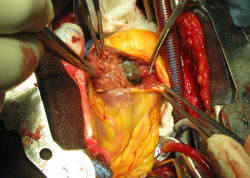
Most heart tumors start with myxomas, fibromas, rhabdomyomas, and hamartomas, albeit threatening sarcomas, (for example, angiosarcoma or cardiovascular sarcoma) have been known to happen. In an investigation of 12,487 dissections performed in Hong Kong seven cardiovascular tumors were discovered, the greater part of which were benign.[1] According to Mayo Clinic: "At Mayo Clinic, all things considered just a single instance of heart disease is seen each year."[1] In an examination directed in the Hospital of the Medical University of Vienna 113 essential cardiovascular tumor cases were distinguished in an era of 15 years with 11 being dangerous. The mean survival in the last gathering of patients was observed to be 26.2 ± 9.8 months.[2]
Essential dangerous heart tumors (PMCTs) are much more uncommon. The latest distributed examination about PMCTs utilized the Surveillance, Epidemiology and End-Results (SEER) Cancer Registry to contemplate 497 patients with PMCTs who were analyzed amid 2000-201 in the United States. Most cases were angiosarcomas (27.3%) with a rate of 0.107 for each 1,000,000 man years and Non-Hodgkin's lymphomas [NHL] (26.9%), with a rate of 0.108 for every 1,000,000 man years. The frequency rate of NHL expanded altogether finished the investigation time frame, however the occurrence of cardiovascular angiosarcomas did not. The general survival of NHL wa observed to be fundamentally superior to angiosarcomas. [3]
Another past examination think about utilizing the Surveillance, Epidemiology and End-Results (SEER) Cancer Registry from 1973– 2011 discovered 551 instances of PMCTs, with an occurrence of 34 cases for every million people. The examination likewise found that the occurrence has multiplied in the course of recent decades. The related mortality was high, with just 46% of patients alive following one year. Sarcomas and mesotheliomas had the most exceedingly terrible survival, while lymphomas would be wise to survival. At the point when contrasted and extracardiac tumors, PMCTs had more terrible survival.[4]
Heart cancer
By Khali Bhutta
The reason for most cerebrum tumors is unknown.[2] Uncommon hazard factors incorporate acquired neurofibromatosis, presentation to vinyl chloride, Epstein– Barr infection, and ionizing radiation.[2][1][3] The proof for cell phones isn't clear.[3] The most widely recognized kinds of essential tumors in grown-ups are meningiomas (normally considerate), and astrocytomas, for example, glioblastomas.[1] In youngsters, the most well-known compose is a dangerous medulloblastoma.[3] Diagnosis is as a rule by medicinal examination alongside figured tomography or attractive reverberation imaging.[2] This is then frequently affirmed by a biopsy.[1] Based on the discoveries, the tumors are partitioned into various evaluations of severity.[1]
Treatment may incorporate some mix of surgery, radiation treatment, and chemotherapy.[1] Anticonvulsant drug might be required if seizures occur.[1] Dexamethasone and furosemide might be utilized to diminish swelling around the tumor.[1] Some tumors develop slowly, requiring just checking and potentially requiring no further intervention.[1] Treatments that utilization a man's invulnerable framework are being studied.[2] Outcome fluctuates impressively relying upon the sort of tumor and how far it has spread at diagnosis.[3] Glioblastomas as a rule have poor results while meningiomas ordinarily have great outcomes.[3] The normal five-year survival rate for cerebrum disease in the United States is 33%.[4]
Auxiliary or metastatic mind tumors are more typical than essential cerebrum tumors,[2] with about portion of metastases originating from lung cancer.[2] Primary cerebrum tumors happen in around 250,000 individuals per year comprehensively, making up under 2% of cancers.[3] In kids more youthful than 15, cerebrum tumors are second just to intense lymphoblastic leukemia as the most widely recognized type of cancer.[8] In Australia the normal lifetime financial cost of an instance of mind growth is $1.9 million, the best of a cancer.[9]
Signs and side effects
The signs and side effects of cerebrum tumors are wide. Individuals with cerebrum tumors will encounter them regardless of if the tumor is considerate (not carcinogenic) or cancerous.[10] Primary and optional mind tumors give comparable side effects, contingent upon the area, size, and rate of development of the tumor.[11] For instance, bigger tumors in the frontal projection can make changes in the capacity think. In any case, a littler tumor in a zone, for example, Wernicke's zone (little region in charge of dialect appreciation) can bring about a more prominent loss of function.[12]
Migraines
Cerebral pains because of raised intracranial weight can be an early side effect of cerebrum cancer.[13] However, disengaged migraine without different side effects is rarer, and different indications regularly happen before migraines move toward becoming common.[13] Certain notice signs for migraine exist which make it more inclined to be related with mind cancer.[13] These are as characterized by the American Academy of Neurology: "unusual neurological examination, migraine declined by Valsalva move, cerebral pain causing arousing from rest, new migraine in the more seasoned populace, logically intensifying cerebral pain, atypical cerebral pain highlights, or patients who don't satisfy the strict meaning of migraine".[13]
Area particular indications
This area needs extra references for check. If it's not too much trouble help enhance this article by adding references to dependable sources. Unsourced material might be tested and expelled. (September 2017) (Learn how and when to evacuate this layout message)
The mind is isolated into 4 projections and every flap or zone has its own particular function.[14][15] A tumor in any of these flaps may influence the territory's execution. The area of the tumor is regularly connected to the side effects experienced however every individual may encounter something different.[16]
Frontal flap tumors may add to poor thinking, wrong social conduct, identity changes, lack of foresight, bring down inhibition,[16] and diminished creation of discourse (Broca's territory).
Worldly projection: Tumors in this flap may add to poor memory, loss of hearing,[15] trouble in dialect perception (Wernicke's territory).
Parietal flap: Tumors here may bring about poor translation of dialects, diminished feeling of touch and torment, and poor spatial and visual perception.[citation needed]
Occipital flap: Damage to this projection may bring about poor or loss of vision.[17]
Cerebellum: Tumors here may cause poor adjust, muscle development, and posture.[citation needed]
Mind stem: Tumors on this can influence pulse, gulping, and heartbeat.[citation needed]
Conduct changes
In spite of the identity and conduct changes that happen in individuals with mind tumors, little research on such changes has been done.[14] A man's identity might be modified because of the tumor harming flaps of the cerebrum. Since the frontal, worldly, and parietal lobes[11] control restraint, feelings, disposition, judgment, thinking, and conduct, an essential or optional tumor in that district can cause unseemly social behavior,[18] temper tantrums,[18] chuckling at things which justify no laughter,[18] and even mental indications, for example, gloom and anxiety.[16]
Identity changes can have harming impacts, for example, joblessness, insecure connections, and an absence of control.[14]
Cause
Epidemiological investigations are required to decide hazard factors.[19] Aside from introduction to vinyl chloride or ionizing radiation, there are no known natural variables related with cerebrum tumors. Transformations and cancellations of supposed tumor silencer qualities, for example, P53, are believed to be the reason for a few types of mind tumor.[20] Inherited conditions, for example, Von Hippel– Lindau sickness, various endocrine neoplasia, and neurofibromatosis write 2 convey a high hazard for the improvement of cerebrum tumors.[21][22] People with celiac ailment have a marginally expanded danger of creating cerebrum tumors.[23]
Despite the fact that reviews have not demonstrated any connection between PDA or cell phone radiation and the event of cerebrum tumors,[24] the World Health Organization has ordered cell phone radiation on the IARC scale into Group 2B – perhaps carcinogenic.[25] Discounting claims that present PDA utilization may cause mind growth, current, third-age (3G) telephones produce, all things considered, around 1% of the vitality discharged by the GSM (2G) telephones that were being used when epidemiological investigations that watched a slight increment in the hazard for glioma – a threatening sort of mind disease – among overwhelming clients of remote and cordless phones were conducted.[3]
Human brains are encompassed by an arrangement of connective tissue layers called meninges that different the cerebrum from the skull. This three-layered covering is made out of (from the outside in) the dura mater ("hard mother"), arachnoid mater ("spidery mother"), and pia mater ("delicate mother"). The arachnoid and pia are physically associated and in this way regularly considered as a solitary layer, the pia-arachnoid. Between the arachnoid mater and the pia mater is the subarachnoid space which contains cerebrospinal liquid (CSF). This liquid flows in the restricted spaces amongst cells and through the cavities in the mind called ventricles, to feed, bolster, and secure the cerebrum tissue. Veins enter the focal sensory system through the perivascular space over the pia mater. The cells in the vein dividers are joined firmly, framing the blood– cerebrum hindrance which shields the mind from poisons that may enter through the blood. Tumors of the meninges are meningiomas and are regularly benevolent.
Brain Tumor
By Khali Bhutta
 Lymphoma is a kind of blood tumor that happens when lymphocytes- - white platelets that assistance shield the body from contamination and infection - start acting unusually. Irregular lymphocytes may separate speedier than typical cells or they may live longer than they should.
Lymphoma may create in numerous parts of the body, including the lymph hubs, spleen, bone marrow, blood or different organs.
There are two principle kinds of lymphomas:
• Hodgkin lymphoma (HL) (earlier alluded to as Hodgkin's lymphoma) — There are six kinds of HL, a remarkable type of lymphoma that includes the Reed-Sternberg cells.
• Non-Hodgkin lymphoma (NHL) (earlier alluded to as non-Hodgkin's lymphoma) - There are more than 61 kinds of NHL, some of which are more typical than others. Any lymphoma that does not include Reed-Sternberg cells is named non-Hodgkin lymphoma.
Signs and Symptoms
Certain manifestations are not particular to lymphoma and are, actually, like those of numerous different ailments. Individuals regularly first go to the specialist since they think they have a chilly, this season's cold virus or some other respiratory disease that does not leave.
A great many people who have these non-particular manifestations won't have lymphoma. Nonetheless, it is critical that anybody with relentless side effects be inspected by a specialist to ensure lymphoma is absent.
Lymphoma Treatment
Some type of chemotherapy, radiation treatment, or a blend of the two is normally used to treat Hodgkin lymphoma. Bone marrow or undifferentiated cell transplantation may likewise now and again be done under unique conditions. Most patients with Hodgkin lymphoma live long and sound lives following fruitful treatment.
Numerous individuals treated for non-Hodgkin lymphoma will get some type of chemotherapy, radiation treatment, biologic treatment, or a mix of these. Bone marrow or foundational microorganism transplantation may now and then be utilized. Surgery might be utilized under exceptional conditions, yet basically to get a biopsy for analytic purposes.
Albeit "lethargic" types of non-Hodgkin lymphoma are not presently treatable, the guess is still great. Patients may live for a long time or all the more after an underlying conclusion. In specific patients with a slothful type of the illness, treatment may not be important until there are indications of movement. Reaction to treatment can likewise change after some time. Treatment that worked at first might be incapable whenever, making it important to dependably stay up to date with the most recent data on new or test treatment choices.
Blood cancer
By Khali Bhutta

Smoking is a training in which a substance is scorched and the subsequent smoke took in to be tasted and retained into the circulation system. Most regularly the substance is the dried leaves of the tobacco plant which have been moved into a little square of rice paper to make a little, round barrel called a "cigarette". Smoking is essentially polished as a course of organization for recreational medication utilize on the grounds that the ignition of the dried plant leaves vaporizes and conveys dynamic substances into the lungs where they are quickly ingested into the circulation system and achieve substantial tissue. On account of cigarette smoking these substances are contained in a blend of airborne particles and gasses and incorporate the pharmacologically dynamic alkaloid nicotine; the vaporization makes warmed vaporized and gas to frame that permits inward breath and profound infiltration into the lungs where assimilation into the circulation system of the dynamic substances happens. In a few societies, smoking is likewise completed as a piece of different ceremonies, where members utilize it to help prompt stupor like expresses that, they accept, can lead them to otherworldly illumination.
Smoking for the most part has negative wellbeing impacts, since smoke inward breath intrinsically postures difficulties to different physiologic procedures, for example, breath. Sicknesses identified with tobacco smoking have been appeared to execute roughly 50% of long haul smokers when contrasted with normal death rates looked by non-smokers. Smoking caused more than five million passings per year from 1990 to 2015.[1]
Smoking is a standout amongst the most well-known types of recreational medication utilize. Tobacco smoking is the most well known frame, being drilled by more than one billion individuals internationally, of whom the dominant part are in the creating countries.[2] Less regular medications for smoking incorporate cannabis and opium. A portion of the substances are delegated hard opiates, similar to heroin, yet the utilization of these is extremely constrained as they are generally not industrially accessible. Cigarettes are basically modernly made yet additionally can be hand-moved from free tobacco and moving paper. Other smoking executes incorporate funnels, stogies, bidis, hookahs, and bongs.
Smoking can be dated to as right on time as 5000 BCE, and has been recorded in a wide range of societies over the world. Early smoking advanced in relationship with religious functions; as offerings to gods, in purifying customs or to enable shamans and ministers to modify their psyches for motivations behind divination or otherworldly illumination. After the European investigation and success of the Americas, the act of smoking tobacco rapidly spread to whatever is left of the world. In locales like India and Sub-Saharan Africa, it converged with existing practices of smoking (for the most part of cannabis). In Europe, it presented another sort of social action and a type of medication consumption which already had been obscure.
Recognition encompassing smoking has fluctuated after some time and starting with one place then onto the next: sacred and evil, modern and foul, a panacea and destructive wellbeing risk. In the twentieth century, smoking came to be seen in a positively negative light, particularly in Western nations. This is because of smoking tobacco being among the main sources of numerous infections, for example, lung malignancy, heart assault, COPD, erectile brokenness, and birth defects.[2] The wellbeing dangers of smoking have made numerous nations organization high duties on tobacco items, run advertisements to dishearten utilize, constrain promotions that advance utilize, and give assistance stopping for the individuals who do smoke.[2]
History
The historical backdrop of smoking goes back to as right on time as 5000 BCE in shamanistic rituals.[3] Many old developments, for example, the Babylonians, Indians and Chinese, consumed incense as a piece of religious customs, as did the Israelites and the later Catholic and Orthodox Christian houses of worship. Smoking in the Americas presumably had its starting points in the incense-consuming functions of shamans however was later embraced for delight, or as a social tool.[4] The smoking of tobacco, and also different psychedelic medications, was utilized to accomplish dazes and to come into contact with the soul world.
Substances, for example, cannabis, cleared up margarine (ghee), angle offal, dried snake skins and different glues formed around incense sticks goes back no less than 2000 years. Fumigation (dhupa) and fire offerings (homa) are endorsed in the Ayurveda for medicinal purposes, and have been honed for no less than 3,000 years while smoking, dhumrapana (actually "drinking smoke"), has been polished for no less than 2,000 years. Before current circumstances these substances have been devoured through channels, with stems of different lengths or chillums.[5]
Cannabis smoking was regular in the Middle East before the entry of tobacco, and was right off the bat a typical social movement that based on the kind of water pipe called a hookah. Smoking, particularly after the presentation of tobacco, was a fundamental segment of Muslim society and culture and wound up coordinated with essential customs, for example, weddings, funerals and was communicated in engineering, attire, writing and poetry.[6]
Cannabis smoking was acquainted with Sub-Saharan Africa through Ethiopia and the east African drift by either Indian or Arab dealers in the thirteenth century or prior and spread on a similar exchange courses as those that conveyed espresso, which started in the good countries of Ethiopia.[7] It was smoked in calabash water funnels with earthenware smoking dishes, evidently an Ethiopian creation which was later passed on to eastern, southern and focal Africa.
Reports from the main European adventurers and conquistadors to achieve the Americas recount customs where local ministers smoked themselves into such high degrees of inebriation that it is impossible that the ceremonies were constrained to simply tobacco.[8]
In 1612, six years after the settlement of Jamestown, John Rolfe was attributed as the principal pilgrim to effectively raise tobacco as a money trim. The request rapidly developed as tobacco, alluded to as "brilliant weed", resuscitated the Virginia Company from its fizzled gold expeditions.[9] with a specific end goal to meet requests from the old world, tobacco was developed in progression, rapidly exhausting the land. This turned into a help to settle west into the obscure landmass, and moreover a development of tobacco production.[10] Indentured subjugation turned into the essential work drive up until Bacon's Rebellion, from which the concentration swung to slavery.[11] This pattern lessened after the American Revolution as subjection moved toward becoming viewed as unfruitful. However the training was restored in 1794 with the development of the cotton gin.[12]
A Frenchman named Jean Nicot (from whose name the word nicotine is inferred) acquainted tobacco with France in 1560. From France tobacco spread to England. The main report archives an English mariner in Bristol in 1556, seen "discharging smoke from his nostrils".[13] Like tea, espresso and opium, tobacco was only one of numerous intoxicants that was initially utilized as a type of medicine.[14] Tobacco was presented around 1600 by French dealers in what today is current The Gambia and Senegal. In the meantime trains from Morocco conveyed tobacco to the zones around Timbuktu and the Portuguese brought the product (and the plant) to southern Africa, setting up the prominence of tobacco all through all of Africa by the 1650s.
Not long after first experience with the Old World, tobacco went under continuous feedback from state and religious pioneers. Murad IV, sultan of the Ottoman Empire 1623-40 was among the first to endeavor a smoking boycott by guaranteeing it was a danger to open ethical quality and wellbeing. The Chongzhen Emperor of China issued a decree prohibiting smoking two years previously his passing and the topple of the Ming tradition. Afterward, the Manchu leaders of the Qing tradition, would declare smoking "a more shocking wrongdoing than that even of dismissing bows and arrows". In Edo period Japan, a portion of the most punctual tobacco manors were disdained by the shogun similar to a danger to the military economy by releasing profitable farmland to squander for the utilization of a recreational medication as opposed to being utilized to plant sustenance crops.[15]
Bonsack's cigarette moving machine, as appeared on U.S. patent 238,640
Religious pioneers have frequently been unmistakable among the individuals who considered smoking shameless or inside and out ungodly. In 1634 the Patriarch of Moscow and all Rus' restricted the offer of tobacco and condemned men and ladies who spurned the boycott to have their nostrils opening and their backs whipped until the point when skin fell off their backs. The Western church pioneer Pope Urban VII in like manner denounced smoking in an ecclesiastical bull of 1590.
Smoking disadvantages
By Khali Bhutta
Caffeine, contained in espresso and different drinks, is the most generally utilized psychoactive medication on the planet. 90% of North American grown-ups expend the substance on an every day basis.[1]
Uncoated ibuprofen tablets, comprising of around 90% acetylsalicylic corrosive, alongside a minor measure of inactive fillers and fasteners. Headache medicine is a pharmaceutical medication regularly used to treat agony, fever, and irritation.
A medication is any substance (other than nourishment that gives wholesome help) that, when breathed in, infused, smoked, expended, retained by means of a fix on the skin, or disintegrated under the tongue causes an impermanent physiological (and frequently mental) change in the body.[2][3]
In pharmacology, a pharmaceutical medication, additionally called a prescription or solution, is a synthetic substance used to treat, cure, counteract, or analyze a malady or to advance well-being.[2] Traditionally sedates were gotten through extraction from restorative plants, yet more as of late likewise by natural synthesis.[4] Pharmaceutical medications might be utilized for a constrained span, or all the time for incessant disorders.[5]
Pharmaceutical medications are frequently arranged into tranquilize classes—gatherings of related medications that have comparable synthetic structures, a similar component of activity (authoritative to the same organic focus on), a related method of activity, and that are utilized to treat a similar disease.[6][verification needed][7] The Anatomical Therapeutic Chemical Classification System (ATC), the most broadly utilized medication order framework, relegates drugs a one of a kind ATC code, which is an alphanumeric code that doles out it to particular medication classes inside the ATC framework. Another significant grouping framework is the Biopharmaceutics Classification System. This orders drugs as per their solvency and porousness or retention properties.[8]
Psychoactive medications are synthetic substances that influence the capacity of the focal sensory system, adjusting recognition, inclination or consciousness.[9] They incorporate liquor, a depressant (and a stimulant in little amounts), and the stimulants nicotine and caffeine. These three are the most generally expended psychoactive medications worldwide[10] and are additionally viewed as recreational medications since they are utilized for joy as opposed to therapeutic purposes.[11] Other recreational medications incorporate psychedelic drugs, sedatives and amphetamines and some of these are likewise utilized as a part of profound or religious settings. A few medications can cause enslavement [12] and all medications can have side effects.[13] Excessive utilization of stimulants can advance stimulant psychosis. Numerous recreational medications are unlawful and global arrangements, for example, the Single Convention on Narcotic Drugs exist with the end goal of their disallowance.
Historical background
In English, the thing "sedate" is thought to start from Old French "drogue", perhaps inferring later into "droge-vate" from Middle Dutch signifying "dry barrels", alluding to restorative plants saved in them.[14] The transitive verb "to tranquilize" (which means purposefully direct a substance to somebody, regularly without their insight) emerged later and summons the psychoactive instead of therapeutic properties of a substance.[15]
Solution
Nexium is a proton-pump inhibitor. It is utilized to lessen the generation of stomach corrosive.
Primary articles: Pharmaceutical medication and Drug class
A pharmaceutical or medication is a medication taken to cure or enhance any manifestations of a sickness or restorative condition. The utilization may likewise be as preventive pharmaceutical that has future advantages yet does not treat any current or prior maladies or side effects. Apportioning of solution is frequently managed by governments into three classifications—over-the-counter meds, which are accessible in drug stores and general stores without exceptional confinements; behind-the-counter medications, which are administered by a drug specialist without requiring a specialist's remedy, and solution just meds, which must be endorsed by an authorized medicinal expert, for the most part a physician.[16]
In the United Kingdom, behind-the-counter prescriptions are called drug store solutions which must be sold in enlisted drug stores, by or under the supervision of a drug specialist. These drugs are assigned by the letter P on the label.[17] The scope of medications accessible without a remedy changes from nation to nation. Solutions are normally delivered by pharmaceutical organizations and are regularly licensed to give the designer select rights to create them. Those that are not protected (or with terminated licenses) are called non specific medications since they can be delivered by different organizations without confinements or licenses from the patent holder.[18]
Pharmaceutical medications are normally classified into tranquilize classes. A gathering of medications will share a comparable substance structure, or have a similar component of activity, the same related method of activity or focus on a similar sickness or related illnesses.[6][7] The Anatomical Therapeutic Chemical Classification System (ATC), the most generally utilized medication order framework, doles out medications a one of a kind ATC code, which is an alphanumeric code that doles out it to particular medication classes inside the ATC framework. Another significant grouping framework is the Biopharmaceutics Classification System. This gatherings drugs as indicated by their solvency and porousness or assimilation properties.[8]
An Amazonian shaman
A few religions, especially ethnic religions are construct totally in light of the utilization of specific medications, known as entheogens, which are for the most part drugs,— hallucinogenics, dissociatives, or deliriants. A few medications utilized as entheogens incorporate kava which can go about as a stimulant, a narcotic, an euphoriant and a sedative. The underlying foundations of the kava plant are utilized to create a drink which is devoured all through the way of life of the Pacific Ocean.
A few shamans from various societies utilize entheogens, characterized as "creating the celestial within"[19] to accomplish religious euphoria. Amazonian shamans utilize ayahuasca (yagé) a stimulating blend for this reason. Mazatec shamans have a long and persistent custom of religious utilization of Salvia divinorum a psychoactive plant. Its utilization is to encourage visionary conditions of awareness amid profound mending sessions.[20]
Silene undulata is viewed by the Xhosa individuals as a consecrated plant and utilized as an entheogen. Its root is generally used to incite striking (and as per the Xhosa, prophetic) clear dreams amid the start procedure of shamans, characterizing it a normally happening oneirogen like the all the more outstanding dream herb Calea ternifolia.[21]
Peyote a little gutless desert plant has been a noteworthy wellspring of hallucinogenic mescaline and has presumably been utilized by Native Americans for no less than five thousand years.[22][23] Most mescaline is currently acquired from a couple of types of columnar prickly plants specifically from San Pedro and not from the powerless peyote.[24]
The entheogenic utilization of cannabis has additionally been broadly rehearsed [25] for centuries.[26] Rastafari utilize weed (ganja) as a holy observance in their religious services.
Hallucinogenic mushrooms (psilocybin mushrooms), usually called enchantment mushrooms or shrooms have likewise long been utilized as entheogens.
Shrewd medications and originator drugs
Principle articles: Nootropic and Designer tranquilize
Nootropics, likewise generally alluded to as "brilliant medications", are drugs that are asserted to enhance human subjective capacities. Nootropics are utilized to enhance memory, focus, thought, mind-set, learning, and numerous different things. Some nootropics are currently starting to be utilized to regard certain illnesses, for example, consideration deficiency hyperactivity issue, Parkinson's ailment, and Alzheimer's infection. They are likewise ordinarily used to recover cerebrum work lost amid maturing.
Different medications known as architect drugs are created. An early case of what today would be named a 'fashioner medicate' was LSD, which was combined from ergot.[27] Other cases incorporate analogs of execution upgrading medications, for example, creator steroids taken to enhance physical abilities and these are once in a while utilized (legitimately or not) for this reason, frequently by proficient athletes.[28] Other planner drugs emulate the impacts of psychoactive medications. Since the late 1990s there has been the distinguishing proof of a large number of these combined medications. In Japan and the United Kingdom this has prodded the expansion of numerous originator drugs into a fresher class of controlled substances known as a transitory class tranquilize.
Manufactured cannabinoids have been delivered for a more drawn out timeframe and are utilized as a part of the originator tranquilize engineered cannabis.
Recreational medication utilize
Cannabis is an ordinarily utilized recreational drug.[29]
Primary article: Recreational medication utilize
Additional data: Prohibition of medications
Recreational medication utilize is the utilization of a medication (lawful, controlled, or illicit) with the essential aim of changing the condition of cognizance through modification of the focal sensory system keeping in mind the end goal to make positive feelings and emotions. The stimulant LSD is a psychoactive medication regularly utilized as a recreational drug.[30]
Some national laws preclude the utilization of various recreational medications; and restorative medications that have the potential for recreational utilize are frequently vigorously managed. Nonetheless, there are numerous recreational medications that are legitimate in numerous wards and generally socially acknowledged. Cannabis is the most regularly devoured controlled recreational medication on the planet (starting at 2012).[31] Its utilization in numerous nations is illicit however is lawfully utilized as a part of a few nations for the most part with the stipulation that it must be utilized for individual utilize.
Drug disadvantages
By Khali Bhutta

A goiter or goiter is a swelling in the neck coming about because of a developed thyroid gland.[1] The term is likewise used to depict an amplified thyroid.[2] A goiter is related with a thyroid that isn't working appropriately.
Around the world, more than 90% of goiter cases are caused by iodine deficiency.[3] The term is from the Latin gutteria. Most goiters are of a generous sort.
Signs and side effects
A goiter, related with hypothyroidism or hyperthyroidism, might be available with side effects of the fundamental issue. For hyperthyroidism, the most well-known side effects are related with adrenergic incitement: tachycardia, palpitations, apprehension, tremor, expanded circulatory strain and warmth bigotry. Clinical appearances are frequently identified with hypermetabolism, (expanded digestion), intemperate thyroid hormone, an expansion in oxygen utilization, metabolic changes in protein digestion, immunologic incitement of diffuse goiter, and visual changes (exophthalmos).[4] Hypothyroid people may have weight pick up in spite of poor craving, frosty prejudice, clogging and torpidity. Be that as it may, these side effects are frequently non-particular and make determination troublesome.
Morphology
With respect to, goiters might be grouped either as the development design or as the span of the growth[citation needed]
Multinodular goiter: numerous nodules;[5] can in like manner be idle or lethal, the last is called harmful multinodular goiter and related with hyperthyroidism; thyroid growth is distinguished in 13.7% of the patients worked for multinodular goiter. These knobs grow up at different rates and emit thyroid hormone independently, consequently stifling TSH-subordinate development and capacity in whatever remains of gland.[6]
Goiter
By Khali Bhutta


