
Myxedema or myxoedema is a term utilized synonymously with extreme hypothyroidism. Notwithstanding, the term is additionally used to portray a dermatological change that can happen in hypothyroidism and a few types of hyperthyroidism.
In this specific situation, myxedema alludes to testimony of mucopolysaccharides in the dermis, which brings about swelling of the influenced region. One sign of myxedema happening in the lower appendage is pretibial myxedema, a sign of Graves sickness, an immune system type of hyperthyroidism. Myxedema can likewise happen in Hashimoto's thyroiditis and other long-standing types of hypothyroidism.
The word myxedema begins from μύξα, taken from old Greek to pass on 'bodily fluid' or 'foul substance', and ὁοίδημα for "swelling". It can likewise be thought as nonpitting edema, as opposed to setting edema.
Signs and side effects
Man with myxedema or extreme hypothyroidism demonstrating a blank face, puffiness around the eyes and paleness
Extra finding incorporate swelling of the arms and legs and noteworthy ascites.
Myxedema can happen in the lower leg (pretibial myxedema) and behind the eyes (exophthalmos).
Cause
Myxedema is known to happen in different types of hypothyroidism, and furthermore in Graves' malady. One of the signs of Grave's malady is pretibial myxedema, myxedema of the lower limb.[1]
Myxedema is more typical in ladies than in men.[2]
Myxedema can happen in:
Hyperthyroidism, related with pretibial myxedema and exophthalmos. Pretibial myxedema can happen in 1– 4% of patients with Graves' sickness, a reason for hyperthyroidism.[3]
Hypothyroidism, including Hashimoto's thyroiditis.[citation needed]
Pathophysiology
Myxedema depicts a particular type of cutaneous and dermal edema optional to expanded statement of connective tissue segments. The connective strands are isolated by an expanded measure of protein and mucopolysaccharides. These can incorporate glycosaminoglycans, hyaluronic corrosive, chondroitin sulfate and other mucopolysaccharides.[1] This protein-mucopolysaccharide complex ties water, creating non-setting boggy edema, specifically around eyes, hands, feet and in the supraclavicular fossae. Myxoedema is in charge of the thickening of the tongue and the laryngeal and pharnygeal mucous layers, which brings about thick slurred discourse and roughness, both of which are seen regularly in hypothyroidism.
The expanded affidavit of glycosaminoglycan isn't completely seen, however two components prevail:
Fibroblast incitement. It is suspected that fibroblast incitement by the thyroid invigorating hormone (TSH) receptor builds the statement of glycosaminoglycan, which brings about an osmotic edema and liquid maintenance. It is felt that numerous cells in charge of framing connective tissue respond to increments in TSH levels.[citation needed]
Lymphocyte incitement. In Graves' thyroid ailment, lymphocytes respond against the TSH receptor. Lymphocytes respond against thyroid receptors, as well as any tissue with cells communicating the receptor. This can prompt tissue harm and scar tissue arrangement, clarifying the testimony of glycosaminoglycans.[citation needed]
Conclusion
It is frequently conceivable to analyze myxedema on clinical grounds alone. Trademark side effects are shortcoming, icy narrow mindedness, mental and physical gradualness, dry skin, regular facies, and dry voice. Consequences of the aggregate serum thyroxine and free thyroxine list tests more often than not will affirm the diagnosis.[4]
[icon]
This segment is vacant. You can help by adding to it. (November 2017)
Administration
Essential treatment is incited by the organization of satisfactory measurements of either the thyroid hormone l-throxine given intravenously or by giving L-triiodothyronine by means of a nasogastric tube. It is fundamental to distinguish and treat the condition encouraging the coma.[5]
Myxedema extreme lethargies is uncommon yet regularly deadly. It happens regularly in elderly ladies and might be confused for one of the endless crippling illnesses normal to this age group.[6]
Despite the fact that the correct reason for myxedema is as yet vague, an abundance of apt research has shown the significance of iodine.[7] In a critical study[8] the specialists demonstrated that in the myxedematous sort of cretinism treatment with iodine standardizes thyroid capacity gave that the treatment is started ahead of schedule in the postnatal period. If not, the anticipation remains dismal.[9]
Myxedema
By Khali Bhutta

Cretinism is a state of extremely hindered physical and mental development attributable to untreated innate insufficiency of thyroid hormone (inherent hypothyroidism) typically inferable from maternal hypothyroidism.
Around the globe, the most widely recognized reason for innate hypothyroidism is iodine inadequacy. Cretinism is subsequently most presumably because of an eating regimen inadequate in iodine. It has influenced numerous individuals worldwide and keeps on being a noteworthy general medical issue in numerous nations. Iodine is a fundamental follow component, essential basically for the union of thyroid hormones. Iodine insufficiency is the most widely recognized preventable reason for mind harm worldwide.[1] Although iodine is found in numerous sustenances, it isn't all around show in all dirts in sufficient sums. Most iodine, in iodide shape, is in the seas where the iodide particles oxidize to essential iodine, which at that point enters the climate and tumbles to earth as rain, acquainting iodine with soils. Earth inadequate in iodine is most basic inland and in precipitous regions and regions of continuous flooding, yet can likewise happen in waterfront districts attributable to past glaciation, and draining by snow, water and overwhelming precipitation, which expels iodine from the soil.[2] Plants and creatures developed in iodine lacking soils are correspondingly insufficient. Populaces living in those regions without outside sustenance sources are most in danger of iodine insufficiency diseases.[3]
Iodine insufficiency brings about the weaknesses in changing degrees of physical and mental improvement. It likewise causes slow expansion of the thyroid organ, alluded to as a goiter. It is being battled in numerous nations by general wellbeing efforts of iodine organization.
Pathophysiology
Intrinsic hypothyroidism can be endemic, hereditary, or sporadic. In the event that untreated, it brings about mellow to serious hindrance of both physical and mental development and improvement.
Poor length development is evident as ahead of schedule as the principal year of life. Grown-up stature without treatment ranges from 100 to 160 cm (3 ft 3 in to 5 ft 3 in), contingent upon seriousness, sex, and other hereditary elements. In grown-ups, Cretinism brings about mental decay, swelling of the skin, loss of water and hair.[4] Bone development and adolescence are extremely postponed. Ovulation is hindered, and barrenness is normal.
Neurological debilitation might be mellow, with diminished muscle tone and coordination, or so serious that the individual can't stand or walk. Subjective impedance may likewise go from mellow to so extreme that the individual is nonverbal and reliant on others for essential care. Thought and reflexes are slower.
Different signs may incorporate thickened skin, extended tongue, or a distending stomach area.
Dwarfism may likewise be caused by lack of healthy sustenance or other hormonal inadequacies, for example, inadequate development hormone emission, hypopituitarism, diminished discharge of development hormone-discharging hormone, insufficient development hormone receptor movement and downstream causes, for example, insulin-like development factor 1 (IGF-1) inadequacy.
Treatment
Sporadic and hereditary cretinism comes about because of irregular advancement or development of the fetal thyroid organ. This sort of cretinism has been totally dispensed with in created nations by early finding by infant screening plans took after by long lasting treatment with thyroxine (T4).
Thyroxine must be dosed as tablets just, even to babies, as the fluid oral suspensions and exacerbated frames can't be relied upon for solid dosing. On account of dosing newborn children, the T4 tablets are for the most part smashed and blended with bosom drain, equation drain or water. On the off chance that the pharmaceutical is blended with equations containing iron or soya items, bigger dosages might be required, as these substances may modify the ingestion of thyroid hormone from the gut.[5] Frequent checking (each 2– 3 weeks amid the main periods of life) is prescribed to guarantee that newborn children with inborn hypothyroidism stay inside the high end of ordinary range, or euthyroid.
History
Cretinism (Styria), copper etching, 1815
Goiter is the most particular clinical marker of either the immediate or aberrant lacking admission of iodine in the human body. There is confirmation of goiter, and its restorative treatment with iodine-rich green growth and consumed wipes, in Chinese, Egyptian, and Roman old medicinal writings. In 1848, King Carlo Alberto of Sardinia dispatched the primary epidemiological investigation of goiter and cretinism, in northern Savoy where ghastly instances of goiters and cretinism much of the time happened in the populace. In past hundreds of years, the all around announced social infections common among the poorer social classes and ranchers, caused by dietary and farming monocultures, were: pellagra, rickets, beriberi, scurvy in long haul mariners, and the endemic goiter caused by Iodine lack. Be that as it may, this infection was less said in therapeutic books since it was mistakenly thought to be a stylish as opposed to a clinical disorder.[6] Endemic cretinism was particularly regular in regions of southern Europe around the Alps and was frequently portrayed by antiquated Roman authors and delineated by specialists. The most punctual Alpine mountain climbers in some cases happened upon entire towns of cretins.[7] Alpine cretinism was depicted from a medicinal point of view by a few explorers and doctors in the late eighteenth and mid nineteenth centuries.[8] around then the reason was not known and it was regularly ascribed to "dormant air" in mountain valleys or "awful water". The extent of individuals influenced shifted uniquely all through southern Europe and even inside little regions it may be regular in one valley and not another. The quantity of seriously influenced people was dependably a minority, and most people were just influenced to the degree of having a goiter and some level of decreased perception and development. The larger part of such cases were still socially utilitarian in their peaceful towns.
All the more somewhat influenced territories of Europe and North America in the nineteenth century were alluded to as "goiter belts". The level of iodine inadequacy was milder and showed essentially as thyroid amplification as opposed to serious mental and physical disability. In Switzerland, for instance, where soil does not contain a lot of iodine, instances of cretinism were exceptionally plentiful and even considered hereditarily caused. As the assortment of nourishment sources significantly expanded in Europe and North America and the populaces turned out to be less totally subject to privately developed sustenance, the commonness of endemic goiter lessened.
The mid twentieth century saw the disclosure of the connections of sporadic cretinism with innate hypothyroidism, and of endemic cretinism with hypothyroidism because of iodine inadequacy. Both have been to a great extent wiped out in the created world.
Historical underpinnings
The term cretin was once used to depict a man influenced by cretinism, in any case, as with words, for example, spastic, and insane person, it is presently viewed as critical and inappropriate.[9] Cretin turned into a restorative term in the eighteenth century, from an Occitan and an Alpine French articulation, predominant in a district where people with such a condition were particularly normal (see beneath); it saw wide therapeutic use in the nineteenth and mid twentieth hundreds of years, and was really a "tick box" class on Victorian-period statistics frames in the UK. The term spread all the more generally in prominent English as a notably defamatory term for a man who acts moronically. As a result of its derisive undertones in mainstream discourse, human services specialists have for the most part surrendered the expression "cretin".
The derivation of cretin is dubious. A few theories exist. The most well-known induction gave in English lexicons is from the Alpine French tongue articulation of the word Chrétien ("(a) Christian"), which was a welcome there. As indicated by the Oxford English Dictionary, the interpretation of the French expression into "human animal" infers that the mark "Christian" is an indication of the humankind of the distressed, as opposed to savage beasts.[10] Other sources propose that Christian depicts the individual's "Christ-like" powerlessness to sin, stemming, in such cases, from an inadequacy to recognize appropriate from wrong.[11][12]
Cretinism
By Khali Bhutta
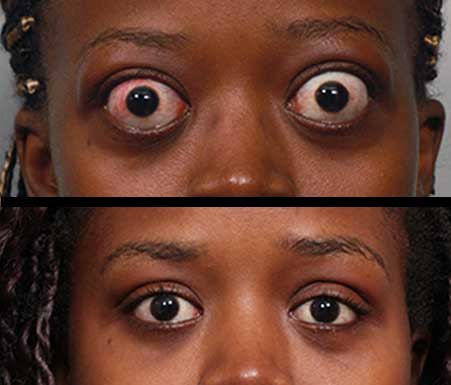
Graves' sickness, otherwise called harmful diffuse goiter, is an immune system infection that influences the thyroid.[1] It regularly brings about and is the most widely recognized reason for hyperthyroidism.[4] It likewise frequently brings about an expanded thyroid.[1] Signs and manifestations of hyperthyroidism may incorporate peevishness, muscle shortcoming, resting issues, a quick pulse, poor resistance of warmth, loose bowels, and inadvertent weight loss.[1] Other side effects may incorporate thickening of the skin on the shins, known as pretibial myxedema, and eye swelling, a condition caused by Graves' ophthalmopathy.[1] About 25 to 80% of individuals with the condition create eye problems.[1][3]
The correct reason is indistinct; notwithstanding, it is accepted to include a blend of hereditary and ecological factors.[2] A man will probably be influenced on the off chance that they have a relative with the disease.[1] If one twin is influenced, a 30% shot exists that the other twin will likewise have the disease.[5] The beginning of illness might be activated by pressure, contamination, or giving birth.[3] Those with other immune system maladies, for example, type 1 diabetes and rheumatoid joint pain will probably be affected.[1] Smoking builds the danger of sickness and may intensify eye problems.[1] The turmoil comes about because of a neutralizer, called thyroid animating immunoglobulin (TSI), that has a comparable impact to thyroid invigorating hormone (TSH).[1] These TSI antibodies make the thyroid organ deliver abundance thyroid hormone.[1] The determination might be suspected in view of side effects and affirmed with blood tests and radioiodine uptake.[1][3] Typically, blood tests demonstrate a raised T3 and T4, low TSH, expanded radioiodine take-up in every aspect of the thyroid, and TSI antibodies.[3]
The three treatment choices are radioiodine treatment, solutions, and thyroid surgery.[1] Radioiodine treatment includes taking iodine-131 by mouth, which is then gathered in the thyroid and obliterates it over weeks to months.[1] The subsequent hypothyroidism is treated with engineered thyroid hormone.[1] Medications, for example, beta blockers may control a portion of the manifestations, and antithyroid meds, for example, methimazole may briefly help individuals while different medicines are having effect.[1] Surgery to evacuate the thyroid is another option.[1] Eye issues may require extra treatments.[1]
Graves' sickness will create in around 0.5% of guys and 3% of females.[4] It happens around 7.5 times more regularly in ladies than men.[1] Often, it begins between the ages of 40 and 60, yet can start at any age.[5] It is the most widely recognized reason for hyperthyroidism in the United States (around 50 to 80% of cases).[1][3] The condition is named after Robert Graves, who portrayed it in 1835.[5] various earlier portrayals likewise exist.[5]
Graves' ailment manifestations
The signs and indications of Graves' ailment for all intents and purposes all outcome from the immediate and aberrant impacts of hyperthyroidism, with primary exemptions being Graves' ophthalmopathy, goiter, and pretibial myxedema (which are caused by the immune system procedures of the illness). Side effects of the resultant hyperthyroidism are chiefly sleep deprivation, hand tremor, hyperactivity, male pattern baldness, unreasonable sweating, shaking hands, tingling, warm bigotry, weight reduction regardless of expanded hunger, loose bowels, visit crap, palpitations, occasional halfway muscle shortcoming or loss of motion in those particularly of oriental descent,[6] and skin warmth and moistness.[7] Further signs that might be seen on physical examination are most ordinarily a diffusely developed (typically symmetric), nontender thyroid, top slack, over the top lacrimation because of Graves' ophthalmopathy, arrhythmias of the heart, for example, sinus tachycardia, atrial fibrillation, and untimely ventricular constrictions, and hypertension.[7] People with hyperthyroidism may encounter behavioral and identity changes, including: psychosis, madness, tension, unsettling, and depression.[8]
Cause
The correct reason is misty; nonetheless, it is accepted to include a mix of hereditary and natural factors.[2] While a hypothetical component happens by which stress could cause a disturbance of the immune system reaction that prompts Graves' infection, more strong clinical information are required for a firm conclusion.[9]
Hereditary qualities
A hereditary inclination for Graves' illness is seen, with a few people more inclined to create TSH receptor actuating antibodies because of a hereditary reason. Human leukocyte antigen DR (particularly DR3) seems to play a role.[10] To date, no unmistakable hereditary imperfection has been found to point to a solitary quality reason.
Qualities accepted to be included incorporate those for thyroglobulin, thyrotropin receptor, protein tyrosine phosphatase nonreceptor type 22, and cytotoxic T-lymphocyte– related antigen 4, among others.[11]
Irresistible trigger
Since Graves' illness is an immune system ailment which shows up all of a sudden, regularly sometime down the road, a viral or bacterial contamination may trigger antibodies which cross-respond with the human TSH receptor, a marvel known as antigenic mimicry.[citation needed]
The bacterium Yersinia enterocolitica bears basic closeness with the human thyrotropin receptor[10] and was conjectured to add to the improvement of thyroid autoimmunity emerging for different reasons in hereditarily helpless individuals.[12] In the 1990s, it was recommended that Y. enterocolitica might be a related condition with the two sicknesses having a common acquired susceptibility.[13] More as of late, the part for Y. enterocolitica has been disputed.[14]
Component
Thyroid-fortifying immunoglobulins perceive and tie to the thyrotropin receptor (TSH receptor) which fortifies the emission of thyroxine (T4) and triiodothyronine (T3). Thyroxine receptors in the pituitary organ are enacted by the surplus hormone, smothering extra arrival of TSH in a negative criticism circle. The outcome is large amounts of coursing thyroid hormones and a low TSH level.
Pathophysiology
Histopathological picture of diffuse hyperplasia of the thyroid organ (clinically introducing as hyperthyroidism)
Graves' sickness is an immune system issue, in which the body produces antibodies to the receptor for thyroid-fortifying hormone. (Antibodies to thyroglobulin and to the thyroid hormones T3 and T4 may likewise be delivered.)
These antibodies cause hyperthyroidism since they tie to the TSHr and incessantly animate it. The TSHr is communicated on the follicular cells of the thyroid organ (the cells that deliver thyroid hormone), and the consequence of constant incitement is an anomalous high creation of T3 and T4. This, thus, causes the clinical indications of hyperthyroidism, and the development of the thyroid organ unmistakable as goiter.
The infiltrative exophthalmos regularly experienced has been clarified by proposing that the thyroid organ and the extraocular muscles share a typical antigen which is perceived by the antibodies. Antibodies official to the extraocular muscles would cause swelling behind the eyeball.
The "orange peel" skin has been clarified by the penetration of antibodies under the skin, causing a provocative response and resulting sinewy plaques.
The three sorts of autoantibodies to the TSH receptor as of now perceived are:
Thyroid fortifying immunoglobulins: these antibodies (fundamentally IgG) go about as long-acting thyroid stimulants, actuating the cells in a more drawn out and slower path than TSH, prompting a hoisted generation of thyroid hormone.
Thyroid development immunoglobulins: these antibodies tie straightforwardly to the TSH receptor and have been embroiled in the development of thyroid follicles.
Thyrotrophin restricting repressing immunoglobulins: these antibodies restrain the ordinary association of TSH with its receptor. Some really go about as though TSH itself is official to its receptor, in this way initiating thyroid capacity. Different writes may not animate the thyroid organ, but rather keep TSI and TSH from authoritative to and empowering the receptor.
Another impact of hyperthyroidism is bone misfortune from osteoporosis, caused by an expanded discharge of calcium and phosphorus in the pee and stool. The impacts can be limited if the hyperthyroidism is dealt with right on time. Thyrotoxicosis can likewise enlarge calcium levels in the blood by as much as 25%. This can cause stomach agitated, exorbitant pee, and weakened kidney function.[15]
Graves disease
By Khali Bhutta

Diabetes mellitus type 2 (otherwise called compose 2 diabetes) is a long haul metabolic turmoil that is portrayed by high glucose, insulin protection, and relative absence of insulin.[6] Common indications incorporate expanded thirst, visit pee, and unexplained weight loss.[3] Symptoms may likewise incorporate expanded craving, feeling tired, and injuries that don't heal.[3] Often side effects go ahead slowly.[6] Long-term complexities from high glucose incorporate coronary illness, strokes, diabetic retinopathy which can bring about visual impairment, kidney disappointment, and poor blood stream in the appendages which may prompt amputations.[1] The sudden beginning of hyperosmolar hyperglycemic state may happen; be that as it may, ketoacidosis is uncommon.[4][5]
Sort 2 diabetes principally happens because of heftiness and absence of exercise.[1] Some individuals are more hereditarily in danger than others.[6] Type 2 diabetes makes up around 90% of instances of diabetes, with the other 10% due essentially to diabetes mellitus type 1 and gestational diabetes.[1] In diabetes mellitus type 1 there is a lower add up to level of insulin to control blood glucose, because of an immune system prompted loss of insulin-creating beta cells in the pancreas.[12][13] Diagnosis of diabetes is by blood tests, for example, fasting plasma glucose, oral glucose resistance test, or glycated hemoglobin (A1C).[3]
Sort 2 diabetes is incompletely preventable by remaining an ordinary weight, practicing frequently, and eating properly.[1] Treatment includes exercise and dietary changes.[1] If glucose levels are not enough brought down, the pharmaceutical metformin is ordinarily recommended.[7][14] Many individuals may in the end additionally require insulin injections.[9] In those on insulin, routinely checking glucose levels is prompted; in any case, this may not be required in those taking pills.[15] Bariatric surgery regularly enhances diabetes in the individuals who are obese.[8][16]
Rates of sort 2 diabetes have expanded notably since 1960 in parallel with obesity.[17] As of 2015 there were roughly 392 million individuals determined to have the infection contrasted with around 30 million of every 1985.[11][18] Typically it starts in center or more established age,[6] despite the fact that rates of sort 2 diabetes are expanding in youthful people.[19][20] Type 2 diabetes is related with a ten-year-shorter life expectancy.[10] Diabetes was one of the principal maladies described.[21] The significance of insulin in the illness was resolved in the 1920s.[22]
Signs and manifestations
The great side effects of diabetes are polyuria (visit pee), polydipsia (expanded thirst), polyphagia (expanded craving), and weight loss.[23] Other indications that are normally present at determination incorporate a past filled with obscured vision, irritation, fringe neuropathy, repetitive vaginal diseases, and fatigue.[13] Many individuals, nonetheless, have no manifestations amid the initial couple of years and are analyzed on routine testing.[13] few individuals with type 2 diabetes mellitus can build up a hyperosmolar hyperglycemic express (a state of high glucose related with a diminished level of cognizance and low blood pressure).[13]
Confusions
Sort 2 diabetes is regularly an interminable ailment related with a ten-year-shorter life expectancy.[10] This is incompletely because of various intricacies with which it is related, including: two to four times the danger of cardiovascular illness, including ischemic coronary illness and stroke; a 20-crease increment in bring down appendage removals, and expanded rates of hospitalizations.[10] In the created world, and progressively somewhere else, type 2 diabetes is the biggest reason for nontraumatic visual deficiency and kidney failure.[24] It has additionally been related with an expanded danger of psychological brokenness and dementia through sickness procedures, for example, Alzheimer's ailment and vascular dementia.[25] Other confusions incorporate acanthosis nigricans, sexual brokenness, and successive infections.[23]
Cause
The improvement of sort 2 diabetes is caused by a mix of way of life and hereditary factors.[24][26] While some of these components are under individual control, for example, eating regimen and weight, different elements are not, for example, expanding age, female sexual orientation, and genetics.[10] An absence of rest has been connected to type 2 diabetes.[27] This is accepted to act through its impact on metabolism.[27] The wholesome status of a mother amid fetal advancement may likewise assume a part, with one proposed instrument being that of adjusted DNA methylation.[28] The intestinal bacteriæ Prevotella copri and Bacteroides vulgatus have been associated with type 2 diabetes.[29]
Way of life
Way of life factors are critical to the advancement of sort 2 diabetes, including stoutness and being overweight (characterized by a weight file of more prominent than 25), absence of physical movement, terrible eating routine, push, and urbanization.[10][30] Excess muscle to fat ratio is related with 30% of cases in those of Chinese and Japanese plummet, 60– 80% of cases in those of European and African drop, and 100% of cases in Pima Indians and Pacific Islanders.[13] Among the individuals who are not large, a high waist– hip proportion is regularly present.[13] Smoking seems to build the danger of sort 2 diabetes mellitus.[31]
Dietary factors likewise impact the danger of creating write 2 diabetes. Utilization of sugar-sweetened beverages in overabundance is related with an expanded risk.[32][33] The sort of fats in the eating regimen are essential, with immersed fats and trans unsaturated fats expanding the hazard, and polyunsaturated and monounsaturated fat diminishing the risk.[26] Eating a great deal of white rice seems to assume a part in expanding risk.[34] An absence of activity is accepted to cause 7% of cases.[35] Persistent natural contaminations may play a role.[36]
Hereditary qualities
Most instances of diabetes include numerous qualities, with each being a little supporter of an expanded likelihood of turning into a sort 2 diabetic.[10] If one indistinguishable twin has diabetes, the shot of the other creating diabetes inside his lifetime is more prominent than 90%, while the rate for nonidentical kin is 25– 50%.[13] As of 2011, more than 36 qualities had been discovered that add to the danger of sort 2 diabetes.[37] All of these qualities together still record for 10% of the aggregate heritable segment of the disease.[37] The TCF7L2 allele, for instance, builds the danger of creating diabetes by 1.5 times and is the most serious danger of the regular hereditary variants.[13] Most of the qualities connected to diabetes are engaged with beta cell functions.[13]
There are various uncommon instances of diabetes that emerge because of a variation from the norm in a solitary quality (known as monogenic types of diabetes or "other particular sorts of diabetes").[10][13] These incorporate development beginning diabetes of the youthful (MODY), Donohue disorder, and Rabson– Mendenhall disorder, among others.[10] Maturity beginning diabetes of the youthful constitute 1– 5% of all instances of diabetes in youthful people.[38]
Restorative conditions
There are various meds and other medical issues that can incline to diabetes.[39] Some of the drugs include: glucocorticoids, thiazides, beta blockers, atypical antipsychotics,[40] and statins.[41] Those who have already had gestational diabetes are at a higher danger of creating write 2 diabetes.[23] Other medical issues that are related include: acromegaly, Cushing's disorder, hyperthyroidism, pheochromocytoma, and certain growths, for example, glucagonomas.[39] Testosterone inadequacy is additionally connected with type 2 diabetes.[42][43]
Pathophysiology
Sort 2 diabetes is because of lacking insulin generation from beta cells in the setting of insulin resistance.[13] Insulin protection, which is the failure of cells to react enough to typical levels of insulin, happens basically inside the muscles, liver, and fat tissue.[44] In the liver, insulin ordinarily smothers glucose discharge. Be that as it may, in the setting of insulin protection, the liver improperly discharges glucose into the blood.[10] The extent of insulin protection versus beta cell brokenness varies among people, with some having basically insulin protection and just a minor deformity in insulin emission and others with slight insulin protection and essentially an absence of insulin secretion.[13]
Diabetes mellitus type 2
By Khali Bhutta

Diabetes mellitus type 1 (otherwise called compose 1 diabetes) is a type of diabetes mellitus in which insufficient insulin is produced.[4] This outcomes in high glucose levels in the body.[1] The traditional side effects are visit pee, expanded thirst, expanded appetite, and weight loss.[4] Additional indications may incorporate hazy vision, feeling tired, and poor healing.[2] Symptoms normally create over a brief time of time.[1]
The reason for type 1 diabetes is unknown.[4] However, it is accepted to include a mix of hereditary and ecological factors.[1] Risk factors incorporate having a relative with the condition.[5] The basic system includes an immune system demolition of the insulin-creating beta cells in the pancreas.[2] Diabetes is analyzed by testing the level of sugar or A1C in the blood.[5][7] Type 1 diabetes can be recognized from type 2 by testing for the nearness of autoantibodies.[5]
There is no known method to avoid write 1 diabetes.[4] Treatment with insulin is required for survival.[1] Insulin treatment is normally given by infusion simply under the skin yet can likewise be conveyed by an insulin pump.[9] A diabetic eating routine and exercise are an imperative piece of management.[2] Untreated, diabetes can cause numerous complications.[4] Complications of moderately quick beginning incorporate diabetic ketoacidosis and nonketotic hyperosmolar coma.[5] Long-term complexities incorporate coronary illness, stroke, kidney disappointment, foot ulcers and harm to the eyes.[4] Furthermore, confusions may emerge from low glucose caused by over the top dosing of insulin.[5]
Sort 1 diabetes makes up an expected 5– 10% of all diabetes cases.[8] The quantity of individuals influenced comprehensively is obscure, in spite of the fact that it is evaluated that 80,000 kids build up the ailment each year.[5] Within the United States the quantity of individuals influenced is assessed at one to three million.[5][10] Rates of sickness differ broadly with roughly 1 new case for every 100,000 every year in East Asia and Latin America and around 30 new cases for every 100,000 every year in Scandinavia and Kuwait.[11][12] It ordinarily starts in kids and youthful adults.[1]
The established indications of sort 1 diabetes include: polyuria (over the top pee), polydipsia (expanded thirst), dry mouth, polyphagia (expanded yearning), weariness, and weight loss.[4]
Numerous compose 1 diabetics are determined when they present to have diabetic ketoacidosis. The signs and side effects of diabetic ketoacidosis incorporate dry skin, quick profound breathing, languor, expanded thirst, visit pee, stomach torment, and vomiting.[14]
Around 12 percent of individuals with type 1 diabetes have clinical depression.[15]
Around 6 percent of individuals with type 1 diabetes have celiac ailment, however by and large there are no stomach related symptoms[16][6] or are erroneously credited to poor control of diabetes, gastroparesis or diabetic neuropathy.[16] In many cases, celiac infection is analyzed after beginning of sort 1 diabetes. The relationship of celiac sickness with type 1 diabetes builds the danger of complexities, for example, retinopathy and mortality. This affiliation can be clarified by shared hereditary elements, and irritation or healthful inadequacies caused by untreated celiac malady, regardless of whether compose 1 diabetes is analyzed first.[6]
A few people with type 1 diabetes encounter emotional and repetitive swings in glucose levels, frequently happening for no obvious reason; this is called "insecure diabetes" or "labile diabetes", and now and again "fragile diabetes", in spite of the fact that this term is not any more used.[17] The aftereffects of such swings can be sporadic and capricious hyperglycemias, here and there including ketoacidosis, and once in a while genuine hypoglycemias. Weak diabetes happens no more every now and again than in 1% to 2% of diabetics.[17]
Cause
The reason for type 1 diabetes is unknown.[4] various illustrative speculations have been advanced, and the reason might be at least one of the accompanying: hereditary weakness, a diabetogenic trigger, and introduction to an antigen.[18]
Hereditary qualities
Sort 1 diabetes is an illness that includes numerous qualities. The danger of a youngster creating type 1 diabetes is around 5% if the father has it, around 8% if a kin has it, and around 3% if the mother has it.[19] If one indistinguishable twin is influenced there is around a 40% shot the other will be too.[20][21] Some investigations of heritability has evaluated it at 80 to 86%.[22][23]
More than 50 qualities are related with type 1 diabetes.[24] Depending on locus or blend of loci, they can be prevailing, passive, or some place in the middle. The most grounded quality, IDDM1, is situated in the MHC Class II area on chromosome 6, at recoloring district 6p21. Certain variations of this quality increment the hazard for diminished histocompatibility normal for type 1. Such variations incorporate DRB1 0401, DRB1 0402, DRB1 0405, DQA 0301, DQB1 0302 and DQB1 0201, which are regular in North Americans of European heritage and in Europeans.[25] Some variations likewise have all the earmarks of being protective.[25]
Natural
There is on the request of a 10-overlay distinction in event among Caucasians living in various zones of Europe, and individuals have a tendency to secure the sickness at the rate of their specific country.[18] Environmental triggers and defensive factors under research incorporate dietary specialists, for example, proteins in gluten,[26] time of weaning, gut microbiota[27] and viral infections.[28]
Chemicals and medications
A few chemicals and medications specifically crush pancreatic cells. Pyrinuron (Vacor), a rodenticide presented in the United States in 1976, specifically wrecks pancreatic beta cells, bringing about sort 1 diabetes after inadvertent poisoning.[29] Pyrinuron was pulled back from the U.S. showcase in 1979 and it isn't affirmed by the Environmental Protection Agency for use in the U.S.[30] Streptozotocin (Zanosar), an antineoplastic operator, is specifically poisonous to the beta cells of the pancreatic islets. It is utilized as a part of research for initiating compose 1 diabetes on rodents[31] and for treating metastatic disease of the pancreatic islet cells in patients whose growth can't be evacuated by surgery.[32] Other pancreatic issues, including injury, pancreatitis, or tumors (either harmful or kindhearted) can likewise prompt loss of insulin creation.
Pathophysiology
The pathophysiology in diabetes write 1 is a demolition of beta cells in the pancreas, paying little respect to which hazard factors or causative elements have been available.
Singular hazard components can have isolate pathophysiological procedures to, thusly, cause this beta cell demolition. In any case, a procedure that seems, by all accounts, to be normal to most hazard factors is an immune system reaction towards beta cells, including an extension of autoreactive CD4+ T aide cells and CD8+ T cells, autoantibody-delivering B cells and enactment of the intrinsic resistant system.[25][33]
In the wake of beginning treatment with insulin a man's own particular insulin levels may briefly improve.[34] This is accepted to be because of changed invulnerability and is known as the "special first night phase".[34]
Conclusion
WHO diabetes analytic criteria[35][36] alter
Condition 2 hour glucose Fasting glucose HbA1c
Unit mmol/l(mg/dl) mmol/l(mg/dl) mmol/mol DCCT %
Normal <7.8 (<140) <6.1 (<110) <42 <6.0
Weakened fasting glycaemia <7.8 (<140) ≥6.1(≥110) and <7.0(<126) 42-46 6.0– 6.4
Weakened glucose tolerance ≥7.8 (≥140) <7.0 (<126) 42-46 6.0– 6.4
Diabetes mellitus ≥11.1 (≥200) ≥7.0 (≥126) ≥48 ≥6.5
Diabetes mellitus is portrayed by repetitive or constant hyperglycemia, and is analyzed by exhibiting any of the following:[37]
Fasting plasma glucose level at or over 7.0 mmol/l (126 mg/dl).
Plasma glucose at or over 11.1 mmol/l (200 mg/dl) two hours after a 75 g oral glucose stack as in a glucose resistance test.
Side effects of hyperglycemia and easygoing plasma glucose at or over 11.1 mmol/l (200 mg/dl).
Glycated (hemoglobin A1C) at or over 48 mmol/mol (≥ 6.5 DCCT %). (This basis was prescribed by the American Diabetes Association in 2010, despite the fact that it still can't seem to be embraced by the WHO.)[38]
Diabetes mellitus type 1
By Khali Bhutta

Diabetes mellitus (DM), generally alluded to as diabetes, is a gathering of metabolic issue in which there are high glucose levels over a delayed period.[7] Symptoms of high glucose incorporate successive pee, expanded thirst, and expanded hunger.[2] If left untreated, diabetes can cause numerous complications.[2] Acute complexities can incorporate diabetic ketoacidosis, hyperosmolar hyperglycemic state, or death.[3] Serious long haul confusions incorporate cardiovascular illness, stroke, ceaseless kidney ailment, foot ulcers, and harm to the eyes.[2]
Diabetes is expected to either the pancreas not creating enough insulin or the cells of the body not reacting legitimately to the insulin produced.[8] There are three primary sorts of diabetes mellitus:[2]
Sort 1 DM comes about because of the pancreas' inability to deliver enough insulin.[2] This frame was beforehand alluded to as "insulin-subordinate diabetes mellitus" (IDDM) or "adolescent diabetes".[2] The reason is unknown.[2]
Sort 2 DM starts with insulin protection, a condition in which cells neglect to react to insulin properly.[2] As the sickness advances an absence of insulin may likewise develop.[9] This shape was already alluded to as "non insulin-subordinate diabetes mellitus" (NIDDM) or "grown-up beginning diabetes".[2] The most widely recognized reason is inordinate body weight and deficient exercise.[2]
Gestational diabetes is the third principle frame, and happens when pregnant ladies without a past history of diabetes grow high glucose levels.[2]
Counteractive action and treatment include keeping up a solid eating routine, general physical exercise, an ordinary body weight, and staying away from utilization of tobacco.[2] Control of circulatory strain and keeping up legitimate foot administer to individuals with the disease.[2] Type 1 DM must be made do with insulin injections.[2] Type 2 DM might be treated with meds with or without insulin.[6] Insulin and some oral pharmaceuticals can cause low blood sugar.[10] Weight misfortune surgery in those with heftiness is once in a while a powerful measure in those with type 2 DM.[11] Gestational diabetes normally settle after the introduction of the baby.[12]
Starting at 2015, an expected 415 million individuals had diabetes worldwide,[5] with type 2 DM making up around 90% of the cases.[13][14] This speaks to 8.3% of the grown-up population,[14] with rise to rates in the two ladies and men.[15] As of 2014, patterns proposed the rate would keep on rise.[16] Diabetes at any rate duplicates a man's danger of early death.[2] From 2012 to 2015, roughly 1.5 to 5.0 million passings every year came about because of diabetes.[5][6] The worldwide monetary cost of diabetes in 2014 was assessed to be US$612 billion.[17] In the United States, diabetes cost $245 billion out of 2012.[18]
s
Signs and indications
The great side effects of untreated diabetes are weight reduction, polyuria (expanded pee), polydipsia (expanded thirst), and polyphagia (expanded hunger).[19] Symptoms may grow quickly (weeks or months) in type 1 DM, while they as a rule grow significantly more gradually and might be unobtrusive or missing in type 2 DM.
A few different signs and manifestations can check the beginning of diabetes despite the fact that they are not particular to the ailment. Notwithstanding the known ones above, they incorporate hazy vision, cerebral pain, exhaustion, moderate mending of cuts, and irritated skin. Drawn out high blood glucose can cause glucose ingestion in the focal point of the eye, which prompts changes in its shape, bringing about vision changes. Various skin rashes that can happen in diabetes are all things considered known as diabetic dermadromes.[20]
Diabetic crises
Low glucose is basic in people with compose 1 and sort 2 DM. Most cases are gentle and are not viewed as restorative crises. Impacts can go from sentiments of unease, sweating, trembling, and expanded craving in gentle cases to more significant issues, for example, perplexity, changes in conduct, for example, forcefulness, seizures, obviousness, and (infrequently) perpetual mind harm or passing in extreme cases.[21][22] Moderate hypoglycemia may effortlessly be confused for drunkenness;[23] fast breathing and sweating, chilly, fair skin are normal for hypoglycemia however not definitive.[24] Mild to direct cases are self-treated by eating or drinking something high in sugar. Extreme cases can prompt obviousness and must be treated with intravenous glucose or infusions with glucagon.[25]
Individuals (generally with type 1 DM) may likewise encounter scenes of diabetic ketoacidosis, a metabolic unsettling influence portrayed by queasiness, spewing and stomach torment, the possess a scent reminiscent of CH3)2CO on the breath, profound breathing known as Kussmaul breathing, and in extreme cases a diminished level of consciousness.[26]
An uncommon yet similarly extreme plausibility is hyperosmolar hyperglycemic state, which is more typical in type 2 DM and is for the most part the consequence of dehydration.[26]
Entanglements
All types of diabetes increment the danger of long haul complexities. These regularly create after numerous years (10– 20) however might be the primary manifestation in the individuals who have generally not gotten a determination before that time.
The major long haul confusions identify with harm to veins. Diabetes copies the danger of cardiovascular disease[27] and around 75% of passings in diabetics are because of coronary course disease.[28] Other "macrovascular" infections are stroke, and fringe conduit ailment.
The essential inconveniences of diabetes because of harm in little veins incorporate harm to the eyes, kidneys, and nerves.[29] Damage to the eyes, known as diabetic retinopathy, is caused by harm to the veins in the retina of the eye, and can bring about continuous vision misfortune and blindness.[29] Damage to the kidneys, known as diabetic nephropathy, can prompt tissue scarring, pee protein misfortune, and in the long run perpetual kidney infection, once in a while requiring dialysis or kidney transplantation.[29] Damage to the nerves of the body, known as diabetic neuropathy, is the most well-known confusion of diabetes.[29] The side effects can incorporate deadness, shivering, torment, and adjusted torment sensation, which can prompt harm to the skin. Diabetes-related foot issues, (for example, diabetic foot ulcers) may happen, and can be hard to treat, every so often requiring removal. Also, proximal diabetic neuropathy causes excruciating muscle decay and shortcoming.
There is a connection between psychological shortage and diabetes. Contrasted with those without diabetes, those with the ailment have a 1.2 to 1.5-overlap more prominent rate of decrease in subjective function.[30] Being diabetic, particularly when on insulin, expands the danger of falls in more seasoned people.[31]
Diabetes mellitus is arranged into four general classifications: type 1, type 2, gestational diabetes, and "other particular types".[8] The "other particular writes" are an accumulation of a couple of dozen individual causes.[8] Diabetes is a more factor malady than once thought and individuals may have blends of forms.[33] The expression "diabetes", without capability, typically alludes to diabetes mellitus.
Sort 1
Sort 1 diabetes mellitus is portrayed by loss of the insulin-creating beta cells of the pancreatic islets, prompting insulin insufficiency. This compose can be additionally named safe interceded or idiopathic. The greater part of sort 1 diabetes is of the invulnerable interceded nature, in which a T cell-intervened immune system assault prompts the loss of beta cells and consequently insulin.[34] It causes roughly 10% of diabetes mellitus cases in North America and Europe. Most influenced individuals are generally solid and of a sound weight when beginning happens. Affectability and responsiveness to insulin are typically ordinary, particularly in the beginning periods. Sort 1 diabetes can influence youngsters or grown-ups, yet was generally named "adolescent diabetes" in light of the fact that a larger part of these diabetes cases were in children.[citation needed]
"Weak" diabetes, otherwise called temperamental diabetes or labile diabetes, is a term that was generally used to portray the sensational and repetitive swings in glucose levels, regularly happening for no obvious reason in insulin-subordinate diabetes. This term, be that as it may, has no biologic premise and ought not be used.[35]
Diabetes mellitus
By Khali Bhutta

Diabetes insipidus (DI) is a condition described by a lot of weaken pee and expanded thirst.[1] The measure of pee delivered can be almost 20 liters for each day.[1] Reduction of liquid has little impact on the centralization of the urine.[1] Complications may incorporate drying out or seizures.[1]
There are four kinds of DI, each with an alternate arrangement of causes.[1] Central DI (CDI) is because of an absence of the hormone vasopressin (antidiuretic hormone).[1] This can be because of harm to the hypothalamus or pituitary organ or genetics.[1] Nephrogenic diabetes insipidus (NDI) happens when the kidneys don't react appropriately to vasopressin.[1] Dipsogenic DI is because of irregular thirst instruments in the hypothalamus while gestational DI happens just amid pregnancy.[1] Diagnosis is regularly in light of pee tests, blood tests, and the liquid hardship test.[1] Diabetes mellitus is a different condition with a random system, however both can bring about the creation of a lot of urine.[1]
Treatment includes drinking adequate liquids to counteract dehydration.[1] Other medicines rely upon the type.[1] In focal and gestational sickness treated is with desmopressin.[1] Nephrogenic ailment might be dealt with by tending to the hidden reason or the utilization of a thiazide, headache medicine, or ibuprofen.[1] The quantity of new instances of diabetes insipidus every year is 3 of every 100,000.[4] Central DI more often than not begins between the ages of 10 and 20 and happens in guys and females equally.[2] Nephrogenic DI can start at any age.[3] The expression "diabetes" is gotten from the Greek word meaning siphon.[5]
Signs and indications
Exorbitant pee and outrageous thirst and expanded liquid admission (particularly for icy water and now and again ice or ice water) are common for DI.[6] The manifestations of over the top pee and extraordinary thirst are like what is seen in untreated diabetes mellitus, with the qualification that the pee does not contain glucose. Obscured vision is an irregularity. Indications of lack of hydration may likewise show up in a few people, since the body can't ration much (assuming any) of the water it takes in.
Outrageous pee proceeds for the duration of the day and the night. In kids, DI can meddle with hunger, eating, weight pick up, and development, also. They may give fever, retching, or looseness of the bowels. Grown-ups with untreated DI may stay solid for a considerable length of time as long as enough water is expended to balance the urinary misfortunes. Be that as it may, there is a nonstop danger of lack of hydration and loss of potassium that may prompt hypokalemia.
Focal
Focal DI has numerous conceivable causes. As per the writing, the essential reasons for focal DI and their oft-refered to inexact frequencies are as per the following: Idiopathic - 30% Malignant or benevolent tumors of the mind or pituitary - 25% Cranial surgery - 20% Head injury - 16% Source:
Dipsogenic
Dipsogenic DI or essential polydipsia comes about because of unreasonable admission of liquids instead of lack of arginine vasopressin. It might be because of an imperfection or harm to the thirst instrument, situated in the hypothalamus;[7] or because of psychological sickness. Treatment with DDAVP may prompt water inebriation.
Gestational
Gestational DI happens just amid pregnancy and the baby blues period. Amid pregnancy, ladies deliver vasopressinase in the placenta, which separates ADH. Gestational DI is thought to happen with over the top creation as well as hindered leeway of vasopressinase.[8]
Most instances of gestational DI can be treated with desmopressin (ddAVP), yet not vasopressin. In uncommon cases, be that as it may, a variation from the norm in the thirst system causes gestational DI, and desmopressin ought not be utilized.
Diabetes insipidus is likewise connected with some genuine ailments of pregnancy, including pre-eclampsia, HELLP disorder and intense greasy liver of pregnancy. These reason DI by disabling hepatic freedom of flowing vasopressinase. It is essential to consider these sicknesses if a lady presents with diabetes insipidus in pregnancy, on the grounds that their medicines require conveyance of the infant before the infection will progress. Inability to treat these ailments immediately can prompt maternal or perinatal mortality.
Pathophysiology
Electrolyte and volume homeostasis is a mind boggling component that adjusts the body's necessities for pulse and the principle electrolytes sodium and potassium. By and large, electrolyte control goes before volume direction. At the point when the volume is seriously drained; be that as it may, the body will hold water to the detriment of disturbing electrolyte levels.
The direction of pee generation happens in the hypothalamus, which produces ADH in the supraoptic and paraventricular cores. After combination, the hormone is transported in neurosecretory granules down the axon of the hypothalamic neuron to the back flap of the pituitary organ, where it is put away for later discharge. Likewise, the hypothalamus manages the vibe of thirst in the ventromedial core by detecting increments in serum osmolarity and handing-off this data to the cortex.
Neurogenic/focal DI comes about because of an absence of ADH; infrequently it can give diminished thirst as direction of thirst and ADH creation happen in closeness in the hypothalamus. It is experienced because of hypoxic encephalopathy, neurosurgery, autoimmunity or malignancy, or infrequently without a fundamental reason (idiopathic).
The fundamental effector organ for liquid homeostasis is the kidney. ADH acts by expanding water porousness in the gathering pipes and distal convoluted tubules; particularly, it follows up on proteins called aquaporins and all the more particularly aquaporin 2 in the accompanying course. Whenever discharged, ADH ties to V2 G-protein coupled receptors inside the distal convoluted tubules, expanding cyclic AMP, which couples with protein kinase A, fortifying translocation of the aquaporin 2 divert put away in the cytoplasm of the distal convoluted tubules and gathering conduits into the apical film. These deciphered channels permit water into the gathering pipe cells. The expansion in porousness takes into consideration reabsorption of water into the circulation system, in this manner thinking the pee.
Nephrogenic DI comes about because of absence of aquaporin diverts in the distal gathering conduit (diminished surface articulation and interpretation). It is found in lithium harmfulness, hypercalcemia, hypokalemia, or arrival of ureteral obstacle.
Innate types of diabetes insipidus represent under 10% of the instances of diabetes insipidus seen in clinical practice.[9]
Conclusion
To recognize DI from different reasons for abundance pee, blood glucose levels, bicarbonate levels, and calcium levels should be tried. Estimation of blood electrolytes can uncover a high sodium level (hypernatremia as drying out creates). Urinalysis shows a weaken pee with a low particular gravity. Pee osmolarity and electrolyte levels are regularly low.
A liquid hardship test is another method for recognizing DI from different reasons for over the top pee. On the off chance that there is no adjustment in liquid misfortune, giving desmopressin can decide whether DI is caused by:
This test measures the adjustments in body weight, pee yield, and pee piece when liquids are withheld to initiate lack of hydration. The body's ordinary reaction to lack of hydration is to save water by concentrating the pee. Those with DI keep on urinating a lot of weaken pee despite water hardship. In essential polydipsia, the pee osmolality should increment and settle at over 280 Osm/kg with liquid limitation, while an adjustment at a lower level demonstrates diabetes insipidus.[10] Stabilization in this test implies, all the more particularly, when the expansion in pee osmolality is under 30 Osm/kg every hour for no less than three hours.[10] Sometimes estimating blood levels of ADH toward the finish of this test is likewise important, however is additional tedious to perform.[10]
To recognize the primary structures, desmopressin incitement is additionally utilized; desmopressin can be taken by infusion, a nasal shower, or a tablet. While taking desmopressin, a patient should drink liquids or water just when parched and not at different circumstances, as this can prompt sudden liquid gathering in the focal sensory system. In the event that desmopressin diminishes pee yield and builds pee osmolarity, the hypothalamic generation of ADH is inadequate, and the kidney reacts ordinarily to exogenous vasopressin (desmopressin). On the off chance that the DI is because of renal pathology, desmopressin does not change either pee yield or osmolarity (since the endogenous vasopressin levels are as of now high).
While diabetes insipidus typically happens with polydipsia, it can likewise once in a while happen without polydipsia as well as within the sight of its inverse, adipsia (or hypodipsia). "Adipsic diabetes insipidus"
Diabetes Insipidus
By Khali Bhutta

Addison's ailment, otherwise called essential adrenal deficiency and hypocortisolism, is a long haul endocrine issue in which the adrenal organs don't create enough steroid hormones.[1] Symptoms by and large go ahead gradually and may incorporate stomach agony, shortcoming, and weight loss.[1] Darkening of the skin in specific zones may likewise occur.[1] Under specific conditions, an adrenal emergency may happen with low circulatory strain, spewing, bring down back torment, and loss of consciousness.[1] An adrenal emergency can be activated by pressure, for example, from damage, surgery, or infection.[1]
Addison's illness emerges from issues with the adrenal organ to such an extent that insufficient of the steroid hormone cortisol and perhaps aldosterone are produced,[1] frequently because of harm by the body's own resistant framework in the created world and tuberculosis in the creating world.[4] Other causes incorporate certain prescriptions, sepsis, and seeping into both adrenal glands.[1][4] Secondary adrenal inadequacy is caused by insufficient adrenocorticotropic hormone (ACTH) (delivered by the pituitary organ) or CRH (created by the hypothalamus).[1] Despite this refinement, adrenal emergencies can occur in all types of adrenal insufficiency.[1] Addison's infection is for the most part analyzed by blood tests, pee tests, and medicinal imaging.[1]
Treatment includes supplanting the missing hormones.[1] This includes taking a corticosteroid, for example, hydrocortisone and fludrocortisone.[1][2] These pharmaceuticals are generally taken by mouth.[1] Lifelong, persistent steroid substitution treatment is required, with consistent follow-up treatment and observing for other wellbeing problems.[5] A high-salt eating regimen may likewise be helpful in some people.[1] If manifestations decline, an infusion of corticosteroid is suggested and individuals should convey a measurement with them.[1] Often, a lot of intravenous liquids with the sugar dextrose are additionally required.[1] Without treatment, an adrenal emergency can bring about death.[1]
Addison's ailment influences around 0.9 to 1.4 for each 10,000 individuals in the created world.[1][3] It happens most much of the time in moderately aged females.[1] Secondary adrenal deficiency is more common.[3] Long-term results with treatment are ordinarily good.[6] It is named after Thomas Addison, an alum of the University of Edinburgh Medical School, who initially depicted the condition in 1855.[7] The descriptive word "addisonian" is utilized to portray highlights of the condition, and in addition individuals with Addison's disease.[8]
Signs and manifestations
The manifestations of Addison's ailment grow bit by bit and may end up built up before they are perceived. They can be nonspecific and are conceivably inferable from other therapeutic conditions.
The signs and manifestations incorporate exhaustion; unsteadiness after standing or trouble standing, muscle shortcoming, fever, weight reduction, uneasiness, queasiness, heaving, looseness of the bowels, migraine, sweating, changes in inclination or identity, and joint and muscle torments. A few patients have desires for salt or salty nourishments because of the loss of sodium through their urine.[8] Hyperpigmentation of the skin might be seen, especially when the patient lives in a radiant region, and additionally obscuring of the palmar wrinkle, locales of grinding, late scars, the vermilion outskirt of the lips, and genital skin.[9] These skin changes are not experienced in auxiliary and tertiary hypoadrenalism.[10]
On physical examination, these clinical signs might be noticed:[8]
Low circulatory strain with or without orthostatic hypotension (pulse that reductions with standing)
Obscuring (hyperpigmentation) of the skin, including zones not presented to the sun. Trademark destinations of obscuring are skin wrinkles (e.g., of the hands), areola, and within the cheek (buccal mucosa); likewise, old scars may obscure. This happens on the grounds that melanocyte-animating hormone (MSH) and ACTH share a similar antecedent atom, professional opiomelanocortin (POMC). After creation in the front pituitary organ, POMC gets severed into gamma-MSH, ACTH, and beta-lipotropin. The subunit ACTH experiences promote cleavage to create alpha-MSH, the most vital MSH for skin pigmentation. In optional and tertiary types of adrenal deficiency, skin obscuring does not happen, as ACTH isn't overproduced.
Addison's sickness is related with the improvement of other immune system infections, for example, type I diabetes, thyroid illness (Hashimoto's thyroiditis), celiac ailment, or vitiligo.[11][12] Addison's ailment might be the main appearance of undiscovered celiac disease.[11] Both maladies share the same hereditary hazard factors (HLA-DQ2 and HLA-DQ8 haplotypes).[13]
The nearness of Addison's notwithstanding mucocutaneous candidiasis, hypoparathyroidism, or both, is called immune system polyendocrine disorder write 1.[14] The nearness of Addison's notwithstanding immune system thyroid illness, type 1 diabetes, or both, is called immune system polyendocrine disorder compose 2.[15]
Addisonian emergency
Fundamental article: Adrenal emergency
An "Addisonian emergency" or "adrenal emergency" is a star grouping of side effects that demonstrates serious adrenal deficiency. This might be the aftereffect of either already undiscovered Addison's illness, an ailment procedure all of a sudden influencing adrenal capacity, (for example, adrenal discharge), or an intercurrent issue (e.g., contamination, injury) in somebody known to have Addison's sickness. It is a therapeutic crisis and possibly hazardous circumstance requiring prompt crisis treatment.
Reasons for adrenal deficiency can be ordered by the system through which they make the adrenal organs deliver deficient cortisol. These are adrenal dysgenesis (the organ has not shaped enough amid improvement), impeded steroidogenesis (the organ is available however is biochemically unfit to deliver cortisol) or adrenal annihilation (infection forms prompting glandular damage).[8]
Adrenal devastation
Immune system adrenalitis is the most widely recognized reason for Addison's ailment in the industrialized world. Immune system pulverization of the adrenal cortex is caused by an insusceptible response against the catalyst 21-hydroxylase (a wonder initially portrayed in 1992).[17] This might be separated or with regards to immune system polyendocrine disorder (APS compose 1 or 2), in which other hormone-delivering organs, for example, the thyroid and pancreas, may likewise be affected.[18]
Adrenal demolition is additionally a component of adrenoleukodystrophy, and when the adrenal organs are associated with metastasis (seeding of disease cells from somewhere else in the body, particularly lung), discharge (e.g., in Waterhouse-Friderichsen disorder or antiphospholipid disorder), specific contaminations (tuberculosis, histoplasmosis, coccidioidomycosis), or the testimony of anomalous protein in amyloidosis.[19]
Adrenal dysgenesis
All causes in this classification are hereditary, and for the most part extremely uncommon. These incorporate changes to the SF1 translation factor, inborn adrenal hypoplasia because of DAX-1 quality transformations and changes to the ACTH receptor quality (or related qualities, for example, in the Triple An or Allgrove disorder). DAX-1 changes may bunch in a disorder with glycerol kinase lack with various different indications when DAX-1 is erased together with various other genes.[8]
Disabled steroidogenesis
To frame cortisol, the adrenal organ requires cholesterol, which is then changed over biochemically into steroid hormones. Intrusions in the conveyance of cholesterol incorporate Smith-Lemli-Opitz disorder and abetalipoproteinemia.
Of the union issues, innate adrenal hyperplasia is the most widely recognized (in different structures: 21-hydroxylase, 17α-hydroxylase, 11β-hydroxylase and 3β-hydroxysteroid dehydrogenase), lipoid CAH because of inadequacy of StAR and mitochondrial DNA mutations.[8] Some solutions meddle with steroid combination compounds (e.g., ketoconazole), while others quicken the ordinary breakdown of hormones by the liver (e.g., rifampicin, phenytoin).[8]
Hypercalcemia
Hyponatremia (low blood sodium levels), because of loss of generation of the hormone aldosterone, to the kidney's failure to discharge free water without adequate cortisol, and furthermore the impact of corticotropin-discharging hor
Addison,s
By Khali Bhutta

An infection is a little irresistible specialist that duplicates just inside the living cells of different life forms. Infections can contaminate a wide range of living things, from creatures and plants to microorganisms, including microscopic organisms and archaea.[1]
Since Dmitri Ivanovsky's 1892 article depicting a non-bacterial pathogen tainting tobacco plants, and the revelation of the tobacco mosaic infection by Martinus Beijerinck in 1898,[2] around 5,000 infection species have been portrayed in detail,[3] despite the fact that there are a large number of types.[4] Viruses are found in relatively every environment on Earth and are the most rich sort of organic entity.[5][6] The investigation of infections is known as virology, a sub-forte of microbiology.
While not inside a tainted cell or during the time spent contaminating a phone, infections exist as autonomous particles. These viral particles, otherwise called virions, comprise of a few sections: (I) the hereditary material produced using either DNA or RNA, long atoms that convey hereditary data; (ii) a protein coat, called the capsid, which encompasses and ensures the hereditary material; and now and again (iii) an envelope of lipids that encompasses the protein coat. The states of these infection particles go from basic helical and icosahedral structures for some infection species to more mind boggling structures for others. Most infection species have virions that are too little to be seen with an optical magnifying instrument. The normal virion is around one-hundredth the measure of the normal bacterium.
The beginnings of infections in the developmental history of life are indistinct: some may have advanced from plasmids—bits of DNA that can move between cells—while others may have advanced from microorganisms. In advancement, infections are a critical methods for level quality exchange, which increments hereditary diversity.[7] Viruses are considered by some to be a living thing, since they convey hereditary material, replicate, and advance through regular choice, yet need key attributes, (for example, cell structure) that are by and large thought to be important to consider life. Since they have a few however not every single such quality, infections have been depicted as "living beings at the edge of life",[8] and as replicators.[9]
Infections spread from numerous points of view; infections in plants are regularly transmitted from plant to plant by creepy crawlies that feast upon plant sap, for example, aphids; infections in creatures can be conveyed by parasitic bugs. These malady bearing life forms are known as vectors. Flu infections are spread by hacking and wheezing. Norovirus and rotavirus, regular reasons for viral gastroenteritis, are transmitted by the faecal– oral course and are passed from individual to individual by contact, entering the body in nourishment or water. HIV is one of a few infections transmitted through sexual contact and by presentation to contaminated blood. The scope of host cells that an infection can contaminate is called its "host go". This can be restricted, which means an infection is equipped for contaminating couple of species, or expansive, which means it is fit for tainting many.[10]
Viral contaminations in creatures incite an insusceptible reaction that more often than not wipes out the tainting infection. Safe reactions can likewise be created by antibodies, which give a misleadingly obtained resistance to the particular viral contamination. Some infections including those that reason AIDS and viral hepatitis sidestep these safe reactions and result in ceaseless diseases. Anti-microbials have no impact on infections, however a few antiviral medications have been produced.
Historical underpinnings
The word is from the Latin fix vīrus alluding to harm and different toxic fluids, from 'an indistinguishable Indo-European base from Sanskrit viṣa harm, Avestan vīša harm, antiquated Greek ἰός harm', first verified in English in 1398 in John Trevisa's interpretation of Bartholomeus Anglicus' De Proprietatibus Rerum.[11][12] Virulent, from Latin virulentus (noxious), dates to c. 1400.[13][14] An importance of "operator that causes irresistible malady" is first recorded in 1728,[12] preceding the disclosure of infections by Dmitri Ivanovsky in 1892. The English plural is infections (in some cases likewise viri[15] or vira[16]), while the Latin word is a mass thing, which has no traditionally bore witness to plural (Neo-Latin had vīra[17] is utilized). The descriptor viral dates to 1948.[18] The term virion (plural virions), which dates from 1959,[19] is likewise used to allude to a solitary, stable infective viral molecule that is discharged from the cell and is completely equipped for tainting different cells of the same type.[20]
History
An old, bespectacled man wearing a suit and sitting at a seat by a huge window. The seat is secured with little jugs and test tubes. On the divider behind him is an extensive out-dated clock underneath which are four little encased retires on which sit numerous conveniently marked jugs.
Martinus Beijerinck in his research center in 1921
Louis Pasteur was not able locate a causative operator for rabies and conjectured about a pathogen too little to be in any way identified utilizing a microscope.[21] In 1884, the French microbiologist Charles Chamberland concocted a channel (referred to today as the Chamberland channel or the Pasteur-Chamberland channel) with pores littler than microorganisms. Consequently, he could pass an answer containing microscopic organisms through the channel and totally expel them.[22] In 1892, the Russian researcher Dmitri Ivanovsky utilized this channel to examine what is presently known as the tobacco mosaic infection. His investigations demonstrated that pounded leaf extricates from tainted tobacco plants stay irresistible after filtration. Ivanovsky recommended the contamination may be caused by a poison delivered by microscopic organisms, yet did not seek after the idea.[23] At the time it was believed that every single irresistible specialist could be held by channels and developed on a supplement medium – this was a piece of the germ hypothesis of disease.[2] In 1898, the Dutch microbiologist Martinus Beijerinck rehashed the trials and ended up persuaded that the sifted arrangement contained another type of irresistible agent.[24] He watched that the operator duplicated just in cells that were partitioning, yet as his tests did not demonstrate that it was made of particles, he called it a contagium vivum fluidum (dissolvable living germ) and re-presented the word infection. Beijerinck kept up that infections were fluid in nature, a hypothesis later disparaged by Wendell Stanley, who demonstrated they were particulate.[23] around the same time Friedrich Loeffler and Paul Frosch passed the main creature infection – operator of foot-and-mouth malady (aphthovirus) – through a comparable filter.[25]
In the mid twentieth century, the English bacteriologist Frederick Twort found a gathering of infections that taint microscopic organisms, now called bacteriophages[26] (or usually phages), and the French-Canadian microbiologist Félix d'Herelle portrayed infections that, when included to microorganisms an agar plate, would deliver territories of dead microbes. He precisely weakened a suspension of these infections and found that the most astounding weakenings (least infection fixations), as opposed to murdering every one of the microscopic organisms, framed discrete zones of dead life forms. Checking these regions and increasing by the weakening variable enabled him to compute the quantity of infections in the first suspension.[27] Phages were proclaimed as a potential treatment for ailments, for example, typhoid and cholera, however their guarantee was overlooked with the improvement of penicillin. The investigation of phages gave experiences into the turning on and off of qualities, and a helpful system for bringing remote qualities into microorganisms.
Before the finish of the nineteenth century, infections were characterized regarding their infectivity, their capacity to be sifted, and their prerequisite for living hosts. Infections had been become just in plants and creatures. In 1906, Ross Granville Harrison developed a technique for developing tissue in lymph, and, in 1913, E. Steinhardt, C. Israeli, and R. A. Lambert utilized this strategy to develop vaccinia infection in pieces of guinea pig corneal tissue.[28] In 1928, H. B. Maitland and M. C. Maitland developed vaccinia infection in suspensions of minced hens' kidneys. Their strategy was not broadly embraced until the point when the 1950s, when poliovirus was developed on a vast scale for immunization production.[29]
Another achievement came in 1931, when the American pathologist Ernest William Goodpasture and Alice Miles Woodruff developed flu and a few different infections in prepared chickens' eggs.[30] In 1949, John Franklin Enders, Thomas Weller, and Frederick Robbins developed polio infection in refined human fetus cells, the primary infection to be developed without utilizing strong creature tissue or eggs. This work empowered Jonas Salk to make a successful polio vaccine.[31]
Chemical nature
By Khali Bhutta

A hormone (from the Greek participle "ὁρμῶ", "to set in movement, ask on") is any individual from a class of flagging atoms delivered by organs in multicellular life forms that are transported by the circulatory framework to target inaccessible organs to control physiology and conduct. Hormones have differing substance structures, for the most part of 3 classes: eicosanoids, steroids, and amino corrosive/protein subsidiaries (amines, peptides, and proteins). The organs that discharge hormones include the endocrine flagging framework. The term hormone is now and then reached out to incorporate chemicals delivered by cells that influence a similar cell (autocrine or intracrine flagging) or adjacent cells (paracrine flagging).
Hormones are utilized to impart amongst organs and tissues for physiological control and behavioral exercises, for example, processing, digestion, breath, tissue work, tangible discernment, rest, discharge, lactation, stress, development and advancement, development, propagation, and mood.[1][2] Hormones influence far off cells by official to particular receptor proteins in the objective cell bringing about an adjustment in cell work. At the point when a hormone ties to the receptor, it brings about the enactment of a flag transduction pathway. This may prompt cell compose particular reactions that incorporate quick non-genomic impacts or slower genomic[disambiguation needed] reactions where the hormones acting through their receptors initiate quality interpretation bringing about expanded articulation of target proteins. Amino acid– based hormones (amines and peptide or protein hormones) are water-solvent and follow up on the surface of target cells by means of second delegates; steroid hormones, being lipid-dissolvable, travel through the plasma films of target cells (both cytoplasmic and atomic) to act inside their cores.
Hormone discharge may happen in numerous tissues. Endocrine organs are the cardinal illustration, however particular cells in different organs additionally emit hormones. Hormone emission happens in light of particular biochemical signs from an extensive variety of administrative frameworks. For example, serum calcium focus influences parathyroid hormone amalgamation; glucose (serum glucose fixation) influences insulin union; and on the grounds that the yields of the stomach and exocrine pancreas (the measures of gastric juice and pancreatic juice) turn into the contribution of the small digestive system, the small digestive system secretes hormones to invigorate or restrain the stomach and pancreas in view of how bustling it is. Control of hormone blend of gonadal hormones, adrenocortical hormones, and thyroid hormones is frequently reliant on complex arrangements of direct impact and criticism collaborations including the hypothalamic-pituitary-adrenal (HPA), - gonadal (HPG), and - thyroid (HPT) tomahawks.
Upon emission, certain hormones, including protein hormones and catecholamines, are water-dissolvable and are in this way promptly transported through the circulatory framework. Different hormones, including steroid and thyroid hormones, are lipid-dissolvable; to take into consideration their broad circulation, these hormones must attach to transporter plasma glycoproteins (e.g., thyroxine-restricting globulin (TBG)) to frame ligand-protein buildings. A few hormones are totally dynamic when discharged into the circulatory system (just like the case for insulin and development hormones), while others are prohormones that must be actuated in particular cells through a progression of enactment steps that are ordinarily profoundly directed. The endocrine framework secretes hormones specifically into the circulatory system regularly into fenestrated vessels, though the exocrine framework secretes its hormones in a roundabout way utilizing pipes. Hormones with paracrine work diffuse through the interstitial spaces to adjacent target tissue.
Hand-off and intensification of the got hormonal flag through a flag transduction process: This at that point prompts a cell reaction. The response of the objective cells may then be perceived by the first hormone-delivering cells, prompting a down-direction in hormone creation. This is a case of a homeostatic negative criticism circle.
Breakdown of the hormone.
Hormone cells are regularly of a specific cell write, living inside a specific endocrine organ, for example, the thyroid organ, ovaries, and testicles. Hormones leave their cell of root by means of exocytosis or another methods for film transport. The progressive model is a distortion of the hormonal flagging procedure. Cell beneficiaries of a specific hormonal flag might be one of a few cell composes that live inside various distinctive tissues, similar to the case for insulin, which triggers a differing scope of fundamental physiological impacts. Distinctive tissue composes may likewise react diversely to the same hormonal flag.
Control
The rate of hormone biosynthesis and discharge is frequently controlled by a homeostatic negative criticism control system. Such a system relies upon factors that impact the digestion and discharge of hormones. Along these lines, higher hormone focus alone can't trigger the negative input instrument. Negative input must be activated by overproduction of an "impact" of the hormone.
Hormone emission can be invigorated and hindered by:
Different hormones (animating or discharging - hormones)
Plasma centralizations of particles or supplements, and restricting globulins
Neurons and mental movement
Natural changes, e.g., of light or temperature
One extraordinary gathering of hormones is the tropic hormones that empower the hormone creation of other endocrine organs. For instance, thyroid-fortifying hormone (TSH) causes development and expanded movement of another endocrine organ, the thyroid, which builds yield of thyroid hormones.
To discharge dynamic hormones rapidly into the dissemination, hormone biosynthetic cells may deliver and store naturally idle hormones as pre-or prohormones. These would then be able to be immediately changed over into their dynamic hormone shape because of a specific boost.
Eicosanoids are considered to go about as nearby hormones. They are thought to be "neighborhood" since they have particular consequences for target cells near their site of arrangement. They additionally have a fast debasement cycle, ensuring they don't achieve distal locales inside the body.[4]
Receptors
The left outline demonstrates a steroid (lipid) hormone (1) entering a phone and (2) official to a receptor protein in the core, causing (3) mRNA blend which is the initial step of protein union. The correct side shows protein hormones (1) official with receptors which (2) starts a transduction pathway. The transduction pathway closes (3) with interpretation factors being actuated in the core, and protein union start. In the two outlines, an is the hormone, b is the cell film, c is the cytoplasm, and d is the core.
Most hormones start a cell reaction by at first official to either cell film related or intracellular receptors. A phone may have a few distinctive receptor composes that perceive a similar hormone yet initiate diverse flag transduction pathways, or a cell may have a few unique receptors that perceive diverse hormones and enact the same biochemical pathway.
Receptors for most peptide and numerous eicosanoid hormones are implanted in the plasma layer at the surface of the cell and the dominant part of these receptors have a place with the G protein-coupled receptor (GPCR) class of seven alpha helix transmembrane proteins. The cooperation of hormone and receptor regularly triggers a course of auxiliary impacts inside the cytoplasm of the cell, frequently including phosphorylation or dephosphorylation of different other cytoplasmic proteins, changes in particle channel porousness, or expanded groupings of intracellular atoms that may go about as optional delivery people (e.g., cyclic AMP). Some protein hormones additionally connect with intracellular receptors situated in the cytoplasm or core by an intracrine system.
For steroid or thyroid hormones, their receptors are situated inside the cell inside the cytoplasm of the objective cell. These receptors have a place with the atomic receptor group of ligand-enacted translation factors. To tie their receptors, these hormones should first cross the cell film. They can do as such in light of the fact that they are lipid-solvent. The consolidated hormone-receptor complex at that point moves over the atomic film into the core of the cell, where it ties to particular DNA successions, directing the outflow of specific qualities, and in this manner expanding the levels of the proteins encoded by these genes.[5] Anyway, it has been demonstrated that not all steroid receptors are situated inside the cell. Some are related with the plasma membrane.[6]
Hormone
By Khali Bhutta


