
Smoking is a training in which a substance is scorched and the subsequent smoke took in to be tasted and retained into the circulation system. Most regularly the substance is the dried leaves of the tobacco plant which have been moved into a little square of rice paper to make a little, round barrel called a "cigarette". Smoking is essentially polished as a course of organization for recreational medication utilize on the grounds that the ignition of the dried plant leaves vaporizes and conveys dynamic substances into the lungs where they are quickly ingested into the circulation system and achieve substantial tissue. On account of cigarette smoking these substances are contained in a blend of airborne particles and gasses and incorporate the pharmacologically dynamic alkaloid nicotine; the vaporization makes warmed vaporized and gas to frame that permits inward breath and profound infiltration into the lungs where assimilation into the circulation system of the dynamic substances happens. In a few societies, smoking is likewise completed as a piece of different ceremonies, where members utilize it to help prompt stupor like expresses that, they accept, can lead them to otherworldly illumination.
Smoking for the most part has negative wellbeing impacts, since smoke inward breath intrinsically postures difficulties to different physiologic procedures, for example, breath. Sicknesses identified with tobacco smoking have been appeared to execute roughly 50% of long haul smokers when contrasted with normal death rates looked by non-smokers. Smoking caused more than five million passings per year from 1990 to 2015.[1]
Smoking is a standout amongst the most well-known types of recreational medication utilize. Tobacco smoking is the most well known frame, being drilled by more than one billion individuals internationally, of whom the dominant part are in the creating countries.[2] Less regular medications for smoking incorporate cannabis and opium. A portion of the substances are delegated hard opiates, similar to heroin, yet the utilization of these is extremely constrained as they are generally not industrially accessible. Cigarettes are basically modernly made yet additionally can be hand-moved from free tobacco and moving paper. Other smoking executes incorporate funnels, stogies, bidis, hookahs, and bongs.
Smoking can be dated to as right on time as 5000 BCE, and has been recorded in a wide range of societies over the world. Early smoking advanced in relationship with religious functions; as offerings to gods, in purifying customs or to enable shamans and ministers to modify their psyches for motivations behind divination or otherworldly illumination. After the European investigation and success of the Americas, the act of smoking tobacco rapidly spread to whatever is left of the world. In locales like India and Sub-Saharan Africa, it converged with existing practices of smoking (for the most part of cannabis). In Europe, it presented another sort of social action and a type of medication consumption which already had been obscure.
Recognition encompassing smoking has fluctuated after some time and starting with one place then onto the next: sacred and evil, modern and foul, a panacea and destructive wellbeing risk. In the twentieth century, smoking came to be seen in a positively negative light, particularly in Western nations. This is because of smoking tobacco being among the main sources of numerous infections, for example, lung malignancy, heart assault, COPD, erectile brokenness, and birth defects.[2] The wellbeing dangers of smoking have made numerous nations organization high duties on tobacco items, run advertisements to dishearten utilize, constrain promotions that advance utilize, and give assistance stopping for the individuals who do smoke.[2]
History
The historical backdrop of smoking goes back to as right on time as 5000 BCE in shamanistic rituals.[3] Many old developments, for example, the Babylonians, Indians and Chinese, consumed incense as a piece of religious customs, as did the Israelites and the later Catholic and Orthodox Christian houses of worship. Smoking in the Americas presumably had its starting points in the incense-consuming functions of shamans however was later embraced for delight, or as a social tool.[4] The smoking of tobacco, and also different psychedelic medications, was utilized to accomplish dazes and to come into contact with the soul world.
Substances, for example, cannabis, cleared up margarine (ghee), angle offal, dried snake skins and different glues formed around incense sticks goes back no less than 2000 years. Fumigation (dhupa) and fire offerings (homa) are endorsed in the Ayurveda for medicinal purposes, and have been honed for no less than 3,000 years while smoking, dhumrapana (actually "drinking smoke"), has been polished for no less than 2,000 years. Before current circumstances these substances have been devoured through channels, with stems of different lengths or chillums.[5]
Cannabis smoking was regular in the Middle East before the entry of tobacco, and was right off the bat a typical social movement that based on the kind of water pipe called a hookah. Smoking, particularly after the presentation of tobacco, was a fundamental segment of Muslim society and culture and wound up coordinated with essential customs, for example, weddings, funerals and was communicated in engineering, attire, writing and poetry.[6]
Cannabis smoking was acquainted with Sub-Saharan Africa through Ethiopia and the east African drift by either Indian or Arab dealers in the thirteenth century or prior and spread on a similar exchange courses as those that conveyed espresso, which started in the good countries of Ethiopia.[7] It was smoked in calabash water funnels with earthenware smoking dishes, evidently an Ethiopian creation which was later passed on to eastern, southern and focal Africa.
Reports from the main European adventurers and conquistadors to achieve the Americas recount customs where local ministers smoked themselves into such high degrees of inebriation that it is impossible that the ceremonies were constrained to simply tobacco.[8]
In 1612, six years after the settlement of Jamestown, John Rolfe was attributed as the principal pilgrim to effectively raise tobacco as a money trim. The request rapidly developed as tobacco, alluded to as "brilliant weed", resuscitated the Virginia Company from its fizzled gold expeditions.[9] with a specific end goal to meet requests from the old world, tobacco was developed in progression, rapidly exhausting the land. This turned into a help to settle west into the obscure landmass, and moreover a development of tobacco production.[10] Indentured subjugation turned into the essential work drive up until Bacon's Rebellion, from which the concentration swung to slavery.[11] This pattern lessened after the American Revolution as subjection moved toward becoming viewed as unfruitful. However the training was restored in 1794 with the development of the cotton gin.[12]
A Frenchman named Jean Nicot (from whose name the word nicotine is inferred) acquainted tobacco with France in 1560. From France tobacco spread to England. The main report archives an English mariner in Bristol in 1556, seen "discharging smoke from his nostrils".[13] Like tea, espresso and opium, tobacco was only one of numerous intoxicants that was initially utilized as a type of medicine.[14] Tobacco was presented around 1600 by French dealers in what today is current The Gambia and Senegal. In the meantime trains from Morocco conveyed tobacco to the zones around Timbuktu and the Portuguese brought the product (and the plant) to southern Africa, setting up the prominence of tobacco all through all of Africa by the 1650s.
Not long after first experience with the Old World, tobacco went under continuous feedback from state and religious pioneers. Murad IV, sultan of the Ottoman Empire 1623-40 was among the first to endeavor a smoking boycott by guaranteeing it was a danger to open ethical quality and wellbeing. The Chongzhen Emperor of China issued a decree prohibiting smoking two years previously his passing and the topple of the Ming tradition. Afterward, the Manchu leaders of the Qing tradition, would declare smoking "a more shocking wrongdoing than that even of dismissing bows and arrows". In Edo period Japan, a portion of the most punctual tobacco manors were disdained by the shogun similar to a danger to the military economy by releasing profitable farmland to squander for the utilization of a recreational medication as opposed to being utilized to plant sustenance crops.[15]
Bonsack's cigarette moving machine, as appeared on U.S. patent 238,640
Religious pioneers have frequently been unmistakable among the individuals who considered smoking shameless or inside and out ungodly. In 1634 the Patriarch of Moscow and all Rus' restricted the offer of tobacco and condemned men and ladies who spurned the boycott to have their nostrils opening and their backs whipped until the point when skin fell off their backs. The Western church pioneer Pope Urban VII in like manner denounced smoking in an ecclesiastical bull of 1590.
Smoking disadvantages
By Khali Bhutta
Caffeine, contained in espresso and different drinks, is the most generally utilized psychoactive medication on the planet. 90% of North American grown-ups expend the substance on an every day basis.[1]
Uncoated ibuprofen tablets, comprising of around 90% acetylsalicylic corrosive, alongside a minor measure of inactive fillers and fasteners. Headache medicine is a pharmaceutical medication regularly used to treat agony, fever, and irritation.
A medication is any substance (other than nourishment that gives wholesome help) that, when breathed in, infused, smoked, expended, retained by means of a fix on the skin, or disintegrated under the tongue causes an impermanent physiological (and frequently mental) change in the body.[2][3]
In pharmacology, a pharmaceutical medication, additionally called a prescription or solution, is a synthetic substance used to treat, cure, counteract, or analyze a malady or to advance well-being.[2] Traditionally sedates were gotten through extraction from restorative plants, yet more as of late likewise by natural synthesis.[4] Pharmaceutical medications might be utilized for a constrained span, or all the time for incessant disorders.[5]
Pharmaceutical medications are frequently arranged into tranquilize classes—gatherings of related medications that have comparable synthetic structures, a similar component of activity (authoritative to the same organic focus on), a related method of activity, and that are utilized to treat a similar disease.[6][verification needed][7] The Anatomical Therapeutic Chemical Classification System (ATC), the most broadly utilized medication order framework, relegates drugs a one of a kind ATC code, which is an alphanumeric code that doles out it to particular medication classes inside the ATC framework. Another significant grouping framework is the Biopharmaceutics Classification System. This orders drugs as per their solvency and porousness or retention properties.[8]
Psychoactive medications are synthetic substances that influence the capacity of the focal sensory system, adjusting recognition, inclination or consciousness.[9] They incorporate liquor, a depressant (and a stimulant in little amounts), and the stimulants nicotine and caffeine. These three are the most generally expended psychoactive medications worldwide[10] and are additionally viewed as recreational medications since they are utilized for joy as opposed to therapeutic purposes.[11] Other recreational medications incorporate psychedelic drugs, sedatives and amphetamines and some of these are likewise utilized as a part of profound or religious settings. A few medications can cause enslavement [12] and all medications can have side effects.[13] Excessive utilization of stimulants can advance stimulant psychosis. Numerous recreational medications are unlawful and global arrangements, for example, the Single Convention on Narcotic Drugs exist with the end goal of their disallowance.
Historical background
In English, the thing "sedate" is thought to start from Old French "drogue", perhaps inferring later into "droge-vate" from Middle Dutch signifying "dry barrels", alluding to restorative plants saved in them.[14] The transitive verb "to tranquilize" (which means purposefully direct a substance to somebody, regularly without their insight) emerged later and summons the psychoactive instead of therapeutic properties of a substance.[15]
Solution
Nexium is a proton-pump inhibitor. It is utilized to lessen the generation of stomach corrosive.
Primary articles: Pharmaceutical medication and Drug class
A pharmaceutical or medication is a medication taken to cure or enhance any manifestations of a sickness or restorative condition. The utilization may likewise be as preventive pharmaceutical that has future advantages yet does not treat any current or prior maladies or side effects. Apportioning of solution is frequently managed by governments into three classifications—over-the-counter meds, which are accessible in drug stores and general stores without exceptional confinements; behind-the-counter medications, which are administered by a drug specialist without requiring a specialist's remedy, and solution just meds, which must be endorsed by an authorized medicinal expert, for the most part a physician.[16]
In the United Kingdom, behind-the-counter prescriptions are called drug store solutions which must be sold in enlisted drug stores, by or under the supervision of a drug specialist. These drugs are assigned by the letter P on the label.[17] The scope of medications accessible without a remedy changes from nation to nation. Solutions are normally delivered by pharmaceutical organizations and are regularly licensed to give the designer select rights to create them. Those that are not protected (or with terminated licenses) are called non specific medications since they can be delivered by different organizations without confinements or licenses from the patent holder.[18]
Pharmaceutical medications are normally classified into tranquilize classes. A gathering of medications will share a comparable substance structure, or have a similar component of activity, the same related method of activity or focus on a similar sickness or related illnesses.[6][7] The Anatomical Therapeutic Chemical Classification System (ATC), the most generally utilized medication order framework, doles out medications a one of a kind ATC code, which is an alphanumeric code that doles out it to particular medication classes inside the ATC framework. Another significant grouping framework is the Biopharmaceutics Classification System. This gatherings drugs as indicated by their solvency and porousness or assimilation properties.[8]
An Amazonian shaman
A few religions, especially ethnic religions are construct totally in light of the utilization of specific medications, known as entheogens, which are for the most part drugs,— hallucinogenics, dissociatives, or deliriants. A few medications utilized as entheogens incorporate kava which can go about as a stimulant, a narcotic, an euphoriant and a sedative. The underlying foundations of the kava plant are utilized to create a drink which is devoured all through the way of life of the Pacific Ocean.
A few shamans from various societies utilize entheogens, characterized as "creating the celestial within"[19] to accomplish religious euphoria. Amazonian shamans utilize ayahuasca (yagé) a stimulating blend for this reason. Mazatec shamans have a long and persistent custom of religious utilization of Salvia divinorum a psychoactive plant. Its utilization is to encourage visionary conditions of awareness amid profound mending sessions.[20]
Silene undulata is viewed by the Xhosa individuals as a consecrated plant and utilized as an entheogen. Its root is generally used to incite striking (and as per the Xhosa, prophetic) clear dreams amid the start procedure of shamans, characterizing it a normally happening oneirogen like the all the more outstanding dream herb Calea ternifolia.[21]
Peyote a little gutless desert plant has been a noteworthy wellspring of hallucinogenic mescaline and has presumably been utilized by Native Americans for no less than five thousand years.[22][23] Most mescaline is currently acquired from a couple of types of columnar prickly plants specifically from San Pedro and not from the powerless peyote.[24]
The entheogenic utilization of cannabis has additionally been broadly rehearsed [25] for centuries.[26] Rastafari utilize weed (ganja) as a holy observance in their religious services.
Hallucinogenic mushrooms (psilocybin mushrooms), usually called enchantment mushrooms or shrooms have likewise long been utilized as entheogens.
Shrewd medications and originator drugs
Principle articles: Nootropic and Designer tranquilize
Nootropics, likewise generally alluded to as "brilliant medications", are drugs that are asserted to enhance human subjective capacities. Nootropics are utilized to enhance memory, focus, thought, mind-set, learning, and numerous different things. Some nootropics are currently starting to be utilized to regard certain illnesses, for example, consideration deficiency hyperactivity issue, Parkinson's ailment, and Alzheimer's infection. They are likewise ordinarily used to recover cerebrum work lost amid maturing.
Different medications known as architect drugs are created. An early case of what today would be named a 'fashioner medicate' was LSD, which was combined from ergot.[27] Other cases incorporate analogs of execution upgrading medications, for example, creator steroids taken to enhance physical abilities and these are once in a while utilized (legitimately or not) for this reason, frequently by proficient athletes.[28] Other planner drugs emulate the impacts of psychoactive medications. Since the late 1990s there has been the distinguishing proof of a large number of these combined medications. In Japan and the United Kingdom this has prodded the expansion of numerous originator drugs into a fresher class of controlled substances known as a transitory class tranquilize.
Manufactured cannabinoids have been delivered for a more drawn out timeframe and are utilized as a part of the originator tranquilize engineered cannabis.
Recreational medication utilize
Cannabis is an ordinarily utilized recreational drug.[29]
Primary article: Recreational medication utilize
Additional data: Prohibition of medications
Recreational medication utilize is the utilization of a medication (lawful, controlled, or illicit) with the essential aim of changing the condition of cognizance through modification of the focal sensory system keeping in mind the end goal to make positive feelings and emotions. The stimulant LSD is a psychoactive medication regularly utilized as a recreational drug.[30]
Some national laws preclude the utilization of various recreational medications; and restorative medications that have the potential for recreational utilize are frequently vigorously managed. Nonetheless, there are numerous recreational medications that are legitimate in numerous wards and generally socially acknowledged. Cannabis is the most regularly devoured controlled recreational medication on the planet (starting at 2012).[31] Its utilization in numerous nations is illicit however is lawfully utilized as a part of a few nations for the most part with the stipulation that it must be utilized for individual utilize.
Drug disadvantages
By Khali Bhutta

A goiter or goiter is a swelling in the neck coming about because of a developed thyroid gland.[1] The term is likewise used to depict an amplified thyroid.[2] A goiter is related with a thyroid that isn't working appropriately.
Around the world, more than 90% of goiter cases are caused by iodine deficiency.[3] The term is from the Latin gutteria. Most goiters are of a generous sort.
Signs and side effects
A goiter, related with hypothyroidism or hyperthyroidism, might be available with side effects of the fundamental issue. For hyperthyroidism, the most well-known side effects are related with adrenergic incitement: tachycardia, palpitations, apprehension, tremor, expanded circulatory strain and warmth bigotry. Clinical appearances are frequently identified with hypermetabolism, (expanded digestion), intemperate thyroid hormone, an expansion in oxygen utilization, metabolic changes in protein digestion, immunologic incitement of diffuse goiter, and visual changes (exophthalmos).[4] Hypothyroid people may have weight pick up in spite of poor craving, frosty prejudice, clogging and torpidity. Be that as it may, these side effects are frequently non-particular and make determination troublesome.
Morphology
With respect to, goiters might be grouped either as the development design or as the span of the growth[citation needed]
Multinodular goiter: numerous nodules;[5] can in like manner be idle or lethal, the last is called harmful multinodular goiter and related with hyperthyroidism; thyroid growth is distinguished in 13.7% of the patients worked for multinodular goiter. These knobs grow up at different rates and emit thyroid hormone independently, consequently stifling TSH-subordinate development and capacity in whatever remains of gland.[6]
Goiter
By Khali Bhutta

Myxedema or myxoedema is a term utilized synonymously with extreme hypothyroidism. Notwithstanding, the term is additionally used to portray a dermatological change that can happen in hypothyroidism and a few types of hyperthyroidism.
In this specific situation, myxedema alludes to testimony of mucopolysaccharides in the dermis, which brings about swelling of the influenced region. One sign of myxedema happening in the lower appendage is pretibial myxedema, a sign of Graves sickness, an immune system type of hyperthyroidism. Myxedema can likewise happen in Hashimoto's thyroiditis and other long-standing types of hypothyroidism.
The word myxedema begins from μύξα, taken from old Greek to pass on 'bodily fluid' or 'foul substance', and ὁοίδημα for "swelling". It can likewise be thought as nonpitting edema, as opposed to setting edema.
Signs and side effects
Man with myxedema or extreme hypothyroidism demonstrating a blank face, puffiness around the eyes and paleness
Extra finding incorporate swelling of the arms and legs and noteworthy ascites.
Myxedema can happen in the lower leg (pretibial myxedema) and behind the eyes (exophthalmos).
Cause
Myxedema is known to happen in different types of hypothyroidism, and furthermore in Graves' malady. One of the signs of Grave's malady is pretibial myxedema, myxedema of the lower limb.[1]
Myxedema is more typical in ladies than in men.[2]
Myxedema can happen in:
Hyperthyroidism, related with pretibial myxedema and exophthalmos. Pretibial myxedema can happen in 1– 4% of patients with Graves' sickness, a reason for hyperthyroidism.[3]
Hypothyroidism, including Hashimoto's thyroiditis.[citation needed]
Pathophysiology
Myxedema depicts a particular type of cutaneous and dermal edema optional to expanded statement of connective tissue segments. The connective strands are isolated by an expanded measure of protein and mucopolysaccharides. These can incorporate glycosaminoglycans, hyaluronic corrosive, chondroitin sulfate and other mucopolysaccharides.[1] This protein-mucopolysaccharide complex ties water, creating non-setting boggy edema, specifically around eyes, hands, feet and in the supraclavicular fossae. Myxoedema is in charge of the thickening of the tongue and the laryngeal and pharnygeal mucous layers, which brings about thick slurred discourse and roughness, both of which are seen regularly in hypothyroidism.
The expanded affidavit of glycosaminoglycan isn't completely seen, however two components prevail:
Fibroblast incitement. It is suspected that fibroblast incitement by the thyroid invigorating hormone (TSH) receptor builds the statement of glycosaminoglycan, which brings about an osmotic edema and liquid maintenance. It is felt that numerous cells in charge of framing connective tissue respond to increments in TSH levels.[citation needed]
Lymphocyte incitement. In Graves' thyroid ailment, lymphocytes respond against the TSH receptor. Lymphocytes respond against thyroid receptors, as well as any tissue with cells communicating the receptor. This can prompt tissue harm and scar tissue arrangement, clarifying the testimony of glycosaminoglycans.[citation needed]
Conclusion
It is frequently conceivable to analyze myxedema on clinical grounds alone. Trademark side effects are shortcoming, icy narrow mindedness, mental and physical gradualness, dry skin, regular facies, and dry voice. Consequences of the aggregate serum thyroxine and free thyroxine list tests more often than not will affirm the diagnosis.[4]
[icon]
This segment is vacant. You can help by adding to it. (November 2017)
Administration
Essential treatment is incited by the organization of satisfactory measurements of either the thyroid hormone l-throxine given intravenously or by giving L-triiodothyronine by means of a nasogastric tube. It is fundamental to distinguish and treat the condition encouraging the coma.[5]
Myxedema extreme lethargies is uncommon yet regularly deadly. It happens regularly in elderly ladies and might be confused for one of the endless crippling illnesses normal to this age group.[6]
Despite the fact that the correct reason for myxedema is as yet vague, an abundance of apt research has shown the significance of iodine.[7] In a critical study[8] the specialists demonstrated that in the myxedematous sort of cretinism treatment with iodine standardizes thyroid capacity gave that the treatment is started ahead of schedule in the postnatal period. If not, the anticipation remains dismal.[9]
Myxedema
By Khali Bhutta

Cretinism is a state of extremely hindered physical and mental development attributable to untreated innate insufficiency of thyroid hormone (inherent hypothyroidism) typically inferable from maternal hypothyroidism.
Around the globe, the most widely recognized reason for innate hypothyroidism is iodine inadequacy. Cretinism is subsequently most presumably because of an eating regimen inadequate in iodine. It has influenced numerous individuals worldwide and keeps on being a noteworthy general medical issue in numerous nations. Iodine is a fundamental follow component, essential basically for the union of thyroid hormones. Iodine insufficiency is the most widely recognized preventable reason for mind harm worldwide.[1] Although iodine is found in numerous sustenances, it isn't all around show in all dirts in sufficient sums. Most iodine, in iodide shape, is in the seas where the iodide particles oxidize to essential iodine, which at that point enters the climate and tumbles to earth as rain, acquainting iodine with soils. Earth inadequate in iodine is most basic inland and in precipitous regions and regions of continuous flooding, yet can likewise happen in waterfront districts attributable to past glaciation, and draining by snow, water and overwhelming precipitation, which expels iodine from the soil.[2] Plants and creatures developed in iodine lacking soils are correspondingly insufficient. Populaces living in those regions without outside sustenance sources are most in danger of iodine insufficiency diseases.[3]
Iodine insufficiency brings about the weaknesses in changing degrees of physical and mental improvement. It likewise causes slow expansion of the thyroid organ, alluded to as a goiter. It is being battled in numerous nations by general wellbeing efforts of iodine organization.
Pathophysiology
Intrinsic hypothyroidism can be endemic, hereditary, or sporadic. In the event that untreated, it brings about mellow to serious hindrance of both physical and mental development and improvement.
Poor length development is evident as ahead of schedule as the principal year of life. Grown-up stature without treatment ranges from 100 to 160 cm (3 ft 3 in to 5 ft 3 in), contingent upon seriousness, sex, and other hereditary elements. In grown-ups, Cretinism brings about mental decay, swelling of the skin, loss of water and hair.[4] Bone development and adolescence are extremely postponed. Ovulation is hindered, and barrenness is normal.
Neurological debilitation might be mellow, with diminished muscle tone and coordination, or so serious that the individual can't stand or walk. Subjective impedance may likewise go from mellow to so extreme that the individual is nonverbal and reliant on others for essential care. Thought and reflexes are slower.
Different signs may incorporate thickened skin, extended tongue, or a distending stomach area.
Dwarfism may likewise be caused by lack of healthy sustenance or other hormonal inadequacies, for example, inadequate development hormone emission, hypopituitarism, diminished discharge of development hormone-discharging hormone, insufficient development hormone receptor movement and downstream causes, for example, insulin-like development factor 1 (IGF-1) inadequacy.
Treatment
Sporadic and hereditary cretinism comes about because of irregular advancement or development of the fetal thyroid organ. This sort of cretinism has been totally dispensed with in created nations by early finding by infant screening plans took after by long lasting treatment with thyroxine (T4).
Thyroxine must be dosed as tablets just, even to babies, as the fluid oral suspensions and exacerbated frames can't be relied upon for solid dosing. On account of dosing newborn children, the T4 tablets are for the most part smashed and blended with bosom drain, equation drain or water. On the off chance that the pharmaceutical is blended with equations containing iron or soya items, bigger dosages might be required, as these substances may modify the ingestion of thyroid hormone from the gut.[5] Frequent checking (each 2– 3 weeks amid the main periods of life) is prescribed to guarantee that newborn children with inborn hypothyroidism stay inside the high end of ordinary range, or euthyroid.
History
Cretinism (Styria), copper etching, 1815
Goiter is the most particular clinical marker of either the immediate or aberrant lacking admission of iodine in the human body. There is confirmation of goiter, and its restorative treatment with iodine-rich green growth and consumed wipes, in Chinese, Egyptian, and Roman old medicinal writings. In 1848, King Carlo Alberto of Sardinia dispatched the primary epidemiological investigation of goiter and cretinism, in northern Savoy where ghastly instances of goiters and cretinism much of the time happened in the populace. In past hundreds of years, the all around announced social infections common among the poorer social classes and ranchers, caused by dietary and farming monocultures, were: pellagra, rickets, beriberi, scurvy in long haul mariners, and the endemic goiter caused by Iodine lack. Be that as it may, this infection was less said in therapeutic books since it was mistakenly thought to be a stylish as opposed to a clinical disorder.[6] Endemic cretinism was particularly regular in regions of southern Europe around the Alps and was frequently portrayed by antiquated Roman authors and delineated by specialists. The most punctual Alpine mountain climbers in some cases happened upon entire towns of cretins.[7] Alpine cretinism was depicted from a medicinal point of view by a few explorers and doctors in the late eighteenth and mid nineteenth centuries.[8] around then the reason was not known and it was regularly ascribed to "dormant air" in mountain valleys or "awful water". The extent of individuals influenced shifted uniquely all through southern Europe and even inside little regions it may be regular in one valley and not another. The quantity of seriously influenced people was dependably a minority, and most people were just influenced to the degree of having a goiter and some level of decreased perception and development. The larger part of such cases were still socially utilitarian in their peaceful towns.
All the more somewhat influenced territories of Europe and North America in the nineteenth century were alluded to as "goiter belts". The level of iodine inadequacy was milder and showed essentially as thyroid amplification as opposed to serious mental and physical disability. In Switzerland, for instance, where soil does not contain a lot of iodine, instances of cretinism were exceptionally plentiful and even considered hereditarily caused. As the assortment of nourishment sources significantly expanded in Europe and North America and the populaces turned out to be less totally subject to privately developed sustenance, the commonness of endemic goiter lessened.
The mid twentieth century saw the disclosure of the connections of sporadic cretinism with innate hypothyroidism, and of endemic cretinism with hypothyroidism because of iodine inadequacy. Both have been to a great extent wiped out in the created world.
Historical underpinnings
The term cretin was once used to depict a man influenced by cretinism, in any case, as with words, for example, spastic, and insane person, it is presently viewed as critical and inappropriate.[9] Cretin turned into a restorative term in the eighteenth century, from an Occitan and an Alpine French articulation, predominant in a district where people with such a condition were particularly normal (see beneath); it saw wide therapeutic use in the nineteenth and mid twentieth hundreds of years, and was really a "tick box" class on Victorian-period statistics frames in the UK. The term spread all the more generally in prominent English as a notably defamatory term for a man who acts moronically. As a result of its derisive undertones in mainstream discourse, human services specialists have for the most part surrendered the expression "cretin".
The derivation of cretin is dubious. A few theories exist. The most well-known induction gave in English lexicons is from the Alpine French tongue articulation of the word Chrétien ("(a) Christian"), which was a welcome there. As indicated by the Oxford English Dictionary, the interpretation of the French expression into "human animal" infers that the mark "Christian" is an indication of the humankind of the distressed, as opposed to savage beasts.[10] Other sources propose that Christian depicts the individual's "Christ-like" powerlessness to sin, stemming, in such cases, from an inadequacy to recognize appropriate from wrong.[11][12]
Cretinism
By Khali Bhutta
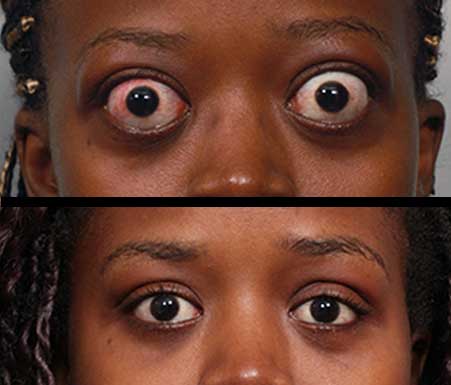
Graves' sickness, otherwise called harmful diffuse goiter, is an immune system infection that influences the thyroid.[1] It regularly brings about and is the most widely recognized reason for hyperthyroidism.[4] It likewise frequently brings about an expanded thyroid.[1] Signs and manifestations of hyperthyroidism may incorporate peevishness, muscle shortcoming, resting issues, a quick pulse, poor resistance of warmth, loose bowels, and inadvertent weight loss.[1] Other side effects may incorporate thickening of the skin on the shins, known as pretibial myxedema, and eye swelling, a condition caused by Graves' ophthalmopathy.[1] About 25 to 80% of individuals with the condition create eye problems.[1][3]
The correct reason is indistinct; notwithstanding, it is accepted to include a blend of hereditary and ecological factors.[2] A man will probably be influenced on the off chance that they have a relative with the disease.[1] If one twin is influenced, a 30% shot exists that the other twin will likewise have the disease.[5] The beginning of illness might be activated by pressure, contamination, or giving birth.[3] Those with other immune system maladies, for example, type 1 diabetes and rheumatoid joint pain will probably be affected.[1] Smoking builds the danger of sickness and may intensify eye problems.[1] The turmoil comes about because of a neutralizer, called thyroid animating immunoglobulin (TSI), that has a comparable impact to thyroid invigorating hormone (TSH).[1] These TSI antibodies make the thyroid organ deliver abundance thyroid hormone.[1] The determination might be suspected in view of side effects and affirmed with blood tests and radioiodine uptake.[1][3] Typically, blood tests demonstrate a raised T3 and T4, low TSH, expanded radioiodine take-up in every aspect of the thyroid, and TSI antibodies.[3]
The three treatment choices are radioiodine treatment, solutions, and thyroid surgery.[1] Radioiodine treatment includes taking iodine-131 by mouth, which is then gathered in the thyroid and obliterates it over weeks to months.[1] The subsequent hypothyroidism is treated with engineered thyroid hormone.[1] Medications, for example, beta blockers may control a portion of the manifestations, and antithyroid meds, for example, methimazole may briefly help individuals while different medicines are having effect.[1] Surgery to evacuate the thyroid is another option.[1] Eye issues may require extra treatments.[1]
Graves' sickness will create in around 0.5% of guys and 3% of females.[4] It happens around 7.5 times more regularly in ladies than men.[1] Often, it begins between the ages of 40 and 60, yet can start at any age.[5] It is the most widely recognized reason for hyperthyroidism in the United States (around 50 to 80% of cases).[1][3] The condition is named after Robert Graves, who portrayed it in 1835.[5] various earlier portrayals likewise exist.[5]
Graves' ailment manifestations
The signs and indications of Graves' ailment for all intents and purposes all outcome from the immediate and aberrant impacts of hyperthyroidism, with primary exemptions being Graves' ophthalmopathy, goiter, and pretibial myxedema (which are caused by the immune system procedures of the illness). Side effects of the resultant hyperthyroidism are chiefly sleep deprivation, hand tremor, hyperactivity, male pattern baldness, unreasonable sweating, shaking hands, tingling, warm bigotry, weight reduction regardless of expanded hunger, loose bowels, visit crap, palpitations, occasional halfway muscle shortcoming or loss of motion in those particularly of oriental descent,[6] and skin warmth and moistness.[7] Further signs that might be seen on physical examination are most ordinarily a diffusely developed (typically symmetric), nontender thyroid, top slack, over the top lacrimation because of Graves' ophthalmopathy, arrhythmias of the heart, for example, sinus tachycardia, atrial fibrillation, and untimely ventricular constrictions, and hypertension.[7] People with hyperthyroidism may encounter behavioral and identity changes, including: psychosis, madness, tension, unsettling, and depression.[8]
Cause
The correct reason is misty; nonetheless, it is accepted to include a mix of hereditary and natural factors.[2] While a hypothetical component happens by which stress could cause a disturbance of the immune system reaction that prompts Graves' infection, more strong clinical information are required for a firm conclusion.[9]
Hereditary qualities
A hereditary inclination for Graves' illness is seen, with a few people more inclined to create TSH receptor actuating antibodies because of a hereditary reason. Human leukocyte antigen DR (particularly DR3) seems to play a role.[10] To date, no unmistakable hereditary imperfection has been found to point to a solitary quality reason.
Qualities accepted to be included incorporate those for thyroglobulin, thyrotropin receptor, protein tyrosine phosphatase nonreceptor type 22, and cytotoxic T-lymphocyte– related antigen 4, among others.[11]
Irresistible trigger
Since Graves' illness is an immune system ailment which shows up all of a sudden, regularly sometime down the road, a viral or bacterial contamination may trigger antibodies which cross-respond with the human TSH receptor, a marvel known as antigenic mimicry.[citation needed]
The bacterium Yersinia enterocolitica bears basic closeness with the human thyrotropin receptor[10] and was conjectured to add to the improvement of thyroid autoimmunity emerging for different reasons in hereditarily helpless individuals.[12] In the 1990s, it was recommended that Y. enterocolitica might be a related condition with the two sicknesses having a common acquired susceptibility.[13] More as of late, the part for Y. enterocolitica has been disputed.[14]
Component
Thyroid-fortifying immunoglobulins perceive and tie to the thyrotropin receptor (TSH receptor) which fortifies the emission of thyroxine (T4) and triiodothyronine (T3). Thyroxine receptors in the pituitary organ are enacted by the surplus hormone, smothering extra arrival of TSH in a negative criticism circle. The outcome is large amounts of coursing thyroid hormones and a low TSH level.
Pathophysiology
Histopathological picture of diffuse hyperplasia of the thyroid organ (clinically introducing as hyperthyroidism)
Graves' sickness is an immune system issue, in which the body produces antibodies to the receptor for thyroid-fortifying hormone. (Antibodies to thyroglobulin and to the thyroid hormones T3 and T4 may likewise be delivered.)
These antibodies cause hyperthyroidism since they tie to the TSHr and incessantly animate it. The TSHr is communicated on the follicular cells of the thyroid organ (the cells that deliver thyroid hormone), and the consequence of constant incitement is an anomalous high creation of T3 and T4. This, thus, causes the clinical indications of hyperthyroidism, and the development of the thyroid organ unmistakable as goiter.
The infiltrative exophthalmos regularly experienced has been clarified by proposing that the thyroid organ and the extraocular muscles share a typical antigen which is perceived by the antibodies. Antibodies official to the extraocular muscles would cause swelling behind the eyeball.
The "orange peel" skin has been clarified by the penetration of antibodies under the skin, causing a provocative response and resulting sinewy plaques.
The three sorts of autoantibodies to the TSH receptor as of now perceived are:
Thyroid fortifying immunoglobulins: these antibodies (fundamentally IgG) go about as long-acting thyroid stimulants, actuating the cells in a more drawn out and slower path than TSH, prompting a hoisted generation of thyroid hormone.
Thyroid development immunoglobulins: these antibodies tie straightforwardly to the TSH receptor and have been embroiled in the development of thyroid follicles.
Thyrotrophin restricting repressing immunoglobulins: these antibodies restrain the ordinary association of TSH with its receptor. Some really go about as though TSH itself is official to its receptor, in this way initiating thyroid capacity. Different writes may not animate the thyroid organ, but rather keep TSI and TSH from authoritative to and empowering the receptor.
Another impact of hyperthyroidism is bone misfortune from osteoporosis, caused by an expanded discharge of calcium and phosphorus in the pee and stool. The impacts can be limited if the hyperthyroidism is dealt with right on time. Thyrotoxicosis can likewise enlarge calcium levels in the blood by as much as 25%. This can cause stomach agitated, exorbitant pee, and weakened kidney function.[15]
Graves disease
By Khali Bhutta

Diabetes mellitus type 2 (otherwise called compose 2 diabetes) is a long haul metabolic turmoil that is portrayed by high glucose, insulin protection, and relative absence of insulin.[6] Common indications incorporate expanded thirst, visit pee, and unexplained weight loss.[3] Symptoms may likewise incorporate expanded craving, feeling tired, and injuries that don't heal.[3] Often side effects go ahead slowly.[6] Long-term complexities from high glucose incorporate coronary illness, strokes, diabetic retinopathy which can bring about visual impairment, kidney disappointment, and poor blood stream in the appendages which may prompt amputations.[1] The sudden beginning of hyperosmolar hyperglycemic state may happen; be that as it may, ketoacidosis is uncommon.[4][5]
Sort 2 diabetes principally happens because of heftiness and absence of exercise.[1] Some individuals are more hereditarily in danger than others.[6] Type 2 diabetes makes up around 90% of instances of diabetes, with the other 10% due essentially to diabetes mellitus type 1 and gestational diabetes.[1] In diabetes mellitus type 1 there is a lower add up to level of insulin to control blood glucose, because of an immune system prompted loss of insulin-creating beta cells in the pancreas.[12][13] Diagnosis of diabetes is by blood tests, for example, fasting plasma glucose, oral glucose resistance test, or glycated hemoglobin (A1C).[3]
Sort 2 diabetes is incompletely preventable by remaining an ordinary weight, practicing frequently, and eating properly.[1] Treatment includes exercise and dietary changes.[1] If glucose levels are not enough brought down, the pharmaceutical metformin is ordinarily recommended.[7][14] Many individuals may in the end additionally require insulin injections.[9] In those on insulin, routinely checking glucose levels is prompted; in any case, this may not be required in those taking pills.[15] Bariatric surgery regularly enhances diabetes in the individuals who are obese.[8][16]
Rates of sort 2 diabetes have expanded notably since 1960 in parallel with obesity.[17] As of 2015 there were roughly 392 million individuals determined to have the infection contrasted with around 30 million of every 1985.[11][18] Typically it starts in center or more established age,[6] despite the fact that rates of sort 2 diabetes are expanding in youthful people.[19][20] Type 2 diabetes is related with a ten-year-shorter life expectancy.[10] Diabetes was one of the principal maladies described.[21] The significance of insulin in the illness was resolved in the 1920s.[22]
Signs and manifestations
The great side effects of diabetes are polyuria (visit pee), polydipsia (expanded thirst), polyphagia (expanded craving), and weight loss.[23] Other indications that are normally present at determination incorporate a past filled with obscured vision, irritation, fringe neuropathy, repetitive vaginal diseases, and fatigue.[13] Many individuals, nonetheless, have no manifestations amid the initial couple of years and are analyzed on routine testing.[13] few individuals with type 2 diabetes mellitus can build up a hyperosmolar hyperglycemic express (a state of high glucose related with a diminished level of cognizance and low blood pressure).[13]
Confusions
Sort 2 diabetes is regularly an interminable ailment related with a ten-year-shorter life expectancy.[10] This is incompletely because of various intricacies with which it is related, including: two to four times the danger of cardiovascular illness, including ischemic coronary illness and stroke; a 20-crease increment in bring down appendage removals, and expanded rates of hospitalizations.[10] In the created world, and progressively somewhere else, type 2 diabetes is the biggest reason for nontraumatic visual deficiency and kidney failure.[24] It has additionally been related with an expanded danger of psychological brokenness and dementia through sickness procedures, for example, Alzheimer's ailment and vascular dementia.[25] Other confusions incorporate acanthosis nigricans, sexual brokenness, and successive infections.[23]
Cause
The improvement of sort 2 diabetes is caused by a mix of way of life and hereditary factors.[24][26] While some of these components are under individual control, for example, eating regimen and weight, different elements are not, for example, expanding age, female sexual orientation, and genetics.[10] An absence of rest has been connected to type 2 diabetes.[27] This is accepted to act through its impact on metabolism.[27] The wholesome status of a mother amid fetal advancement may likewise assume a part, with one proposed instrument being that of adjusted DNA methylation.[28] The intestinal bacteriæ Prevotella copri and Bacteroides vulgatus have been associated with type 2 diabetes.[29]
Way of life
Way of life factors are critical to the advancement of sort 2 diabetes, including stoutness and being overweight (characterized by a weight file of more prominent than 25), absence of physical movement, terrible eating routine, push, and urbanization.[10][30] Excess muscle to fat ratio is related with 30% of cases in those of Chinese and Japanese plummet, 60– 80% of cases in those of European and African drop, and 100% of cases in Pima Indians and Pacific Islanders.[13] Among the individuals who are not large, a high waist– hip proportion is regularly present.[13] Smoking seems to build the danger of sort 2 diabetes mellitus.[31]
Dietary factors likewise impact the danger of creating write 2 diabetes. Utilization of sugar-sweetened beverages in overabundance is related with an expanded risk.[32][33] The sort of fats in the eating regimen are essential, with immersed fats and trans unsaturated fats expanding the hazard, and polyunsaturated and monounsaturated fat diminishing the risk.[26] Eating a great deal of white rice seems to assume a part in expanding risk.[34] An absence of activity is accepted to cause 7% of cases.[35] Persistent natural contaminations may play a role.[36]
Hereditary qualities
Most instances of diabetes include numerous qualities, with each being a little supporter of an expanded likelihood of turning into a sort 2 diabetic.[10] If one indistinguishable twin has diabetes, the shot of the other creating diabetes inside his lifetime is more prominent than 90%, while the rate for nonidentical kin is 25– 50%.[13] As of 2011, more than 36 qualities had been discovered that add to the danger of sort 2 diabetes.[37] All of these qualities together still record for 10% of the aggregate heritable segment of the disease.[37] The TCF7L2 allele, for instance, builds the danger of creating diabetes by 1.5 times and is the most serious danger of the regular hereditary variants.[13] Most of the qualities connected to diabetes are engaged with beta cell functions.[13]
There are various uncommon instances of diabetes that emerge because of a variation from the norm in a solitary quality (known as monogenic types of diabetes or "other particular sorts of diabetes").[10][13] These incorporate development beginning diabetes of the youthful (MODY), Donohue disorder, and Rabson– Mendenhall disorder, among others.[10] Maturity beginning diabetes of the youthful constitute 1– 5% of all instances of diabetes in youthful people.[38]
Restorative conditions
There are various meds and other medical issues that can incline to diabetes.[39] Some of the drugs include: glucocorticoids, thiazides, beta blockers, atypical antipsychotics,[40] and statins.[41] Those who have already had gestational diabetes are at a higher danger of creating write 2 diabetes.[23] Other medical issues that are related include: acromegaly, Cushing's disorder, hyperthyroidism, pheochromocytoma, and certain growths, for example, glucagonomas.[39] Testosterone inadequacy is additionally connected with type 2 diabetes.[42][43]
Pathophysiology
Sort 2 diabetes is because of lacking insulin generation from beta cells in the setting of insulin resistance.[13] Insulin protection, which is the failure of cells to react enough to typical levels of insulin, happens basically inside the muscles, liver, and fat tissue.[44] In the liver, insulin ordinarily smothers glucose discharge. Be that as it may, in the setting of insulin protection, the liver improperly discharges glucose into the blood.[10] The extent of insulin protection versus beta cell brokenness varies among people, with some having basically insulin protection and just a minor deformity in insulin emission and others with slight insulin protection and essentially an absence of insulin secretion.[13]
Diabetes mellitus type 2
By Khali Bhutta

Diabetes mellitus type 1 (otherwise called compose 1 diabetes) is a type of diabetes mellitus in which insufficient insulin is produced.[4] This outcomes in high glucose levels in the body.[1] The traditional side effects are visit pee, expanded thirst, expanded appetite, and weight loss.[4] Additional indications may incorporate hazy vision, feeling tired, and poor healing.[2] Symptoms normally create over a brief time of time.[1]
The reason for type 1 diabetes is unknown.[4] However, it is accepted to include a mix of hereditary and ecological factors.[1] Risk factors incorporate having a relative with the condition.[5] The basic system includes an immune system demolition of the insulin-creating beta cells in the pancreas.[2] Diabetes is analyzed by testing the level of sugar or A1C in the blood.[5][7] Type 1 diabetes can be recognized from type 2 by testing for the nearness of autoantibodies.[5]
There is no known method to avoid write 1 diabetes.[4] Treatment with insulin is required for survival.[1] Insulin treatment is normally given by infusion simply under the skin yet can likewise be conveyed by an insulin pump.[9] A diabetic eating routine and exercise are an imperative piece of management.[2] Untreated, diabetes can cause numerous complications.[4] Complications of moderately quick beginning incorporate diabetic ketoacidosis and nonketotic hyperosmolar coma.[5] Long-term complexities incorporate coronary illness, stroke, kidney disappointment, foot ulcers and harm to the eyes.[4] Furthermore, confusions may emerge from low glucose caused by over the top dosing of insulin.[5]
Sort 1 diabetes makes up an expected 5– 10% of all diabetes cases.[8] The quantity of individuals influenced comprehensively is obscure, in spite of the fact that it is evaluated that 80,000 kids build up the ailment each year.[5] Within the United States the quantity of individuals influenced is assessed at one to three million.[5][10] Rates of sickness differ broadly with roughly 1 new case for every 100,000 every year in East Asia and Latin America and around 30 new cases for every 100,000 every year in Scandinavia and Kuwait.[11][12] It ordinarily starts in kids and youthful adults.[1]
The established indications of sort 1 diabetes include: polyuria (over the top pee), polydipsia (expanded thirst), dry mouth, polyphagia (expanded yearning), weariness, and weight loss.[4]
Numerous compose 1 diabetics are determined when they present to have diabetic ketoacidosis. The signs and side effects of diabetic ketoacidosis incorporate dry skin, quick profound breathing, languor, expanded thirst, visit pee, stomach torment, and vomiting.[14]
Around 12 percent of individuals with type 1 diabetes have clinical depression.[15]
Around 6 percent of individuals with type 1 diabetes have celiac ailment, however by and large there are no stomach related symptoms[16][6] or are erroneously credited to poor control of diabetes, gastroparesis or diabetic neuropathy.[16] In many cases, celiac infection is analyzed after beginning of sort 1 diabetes. The relationship of celiac sickness with type 1 diabetes builds the danger of complexities, for example, retinopathy and mortality. This affiliation can be clarified by shared hereditary elements, and irritation or healthful inadequacies caused by untreated celiac malady, regardless of whether compose 1 diabetes is analyzed first.[6]
A few people with type 1 diabetes encounter emotional and repetitive swings in glucose levels, frequently happening for no obvious reason; this is called "insecure diabetes" or "labile diabetes", and now and again "fragile diabetes", in spite of the fact that this term is not any more used.[17] The aftereffects of such swings can be sporadic and capricious hyperglycemias, here and there including ketoacidosis, and once in a while genuine hypoglycemias. Weak diabetes happens no more every now and again than in 1% to 2% of diabetics.[17]
Cause
The reason for type 1 diabetes is unknown.[4] various illustrative speculations have been advanced, and the reason might be at least one of the accompanying: hereditary weakness, a diabetogenic trigger, and introduction to an antigen.[18]
Hereditary qualities
Sort 1 diabetes is an illness that includes numerous qualities. The danger of a youngster creating type 1 diabetes is around 5% if the father has it, around 8% if a kin has it, and around 3% if the mother has it.[19] If one indistinguishable twin is influenced there is around a 40% shot the other will be too.[20][21] Some investigations of heritability has evaluated it at 80 to 86%.[22][23]
More than 50 qualities are related with type 1 diabetes.[24] Depending on locus or blend of loci, they can be prevailing, passive, or some place in the middle. The most grounded quality, IDDM1, is situated in the MHC Class II area on chromosome 6, at recoloring district 6p21. Certain variations of this quality increment the hazard for diminished histocompatibility normal for type 1. Such variations incorporate DRB1 0401, DRB1 0402, DRB1 0405, DQA 0301, DQB1 0302 and DQB1 0201, which are regular in North Americans of European heritage and in Europeans.[25] Some variations likewise have all the earmarks of being protective.[25]
Natural
There is on the request of a 10-overlay distinction in event among Caucasians living in various zones of Europe, and individuals have a tendency to secure the sickness at the rate of their specific country.[18] Environmental triggers and defensive factors under research incorporate dietary specialists, for example, proteins in gluten,[26] time of weaning, gut microbiota[27] and viral infections.[28]
Chemicals and medications
A few chemicals and medications specifically crush pancreatic cells. Pyrinuron (Vacor), a rodenticide presented in the United States in 1976, specifically wrecks pancreatic beta cells, bringing about sort 1 diabetes after inadvertent poisoning.[29] Pyrinuron was pulled back from the U.S. showcase in 1979 and it isn't affirmed by the Environmental Protection Agency for use in the U.S.[30] Streptozotocin (Zanosar), an antineoplastic operator, is specifically poisonous to the beta cells of the pancreatic islets. It is utilized as a part of research for initiating compose 1 diabetes on rodents[31] and for treating metastatic disease of the pancreatic islet cells in patients whose growth can't be evacuated by surgery.[32] Other pancreatic issues, including injury, pancreatitis, or tumors (either harmful or kindhearted) can likewise prompt loss of insulin creation.
Pathophysiology
The pathophysiology in diabetes write 1 is a demolition of beta cells in the pancreas, paying little respect to which hazard factors or causative elements have been available.
Singular hazard components can have isolate pathophysiological procedures to, thusly, cause this beta cell demolition. In any case, a procedure that seems, by all accounts, to be normal to most hazard factors is an immune system reaction towards beta cells, including an extension of autoreactive CD4+ T aide cells and CD8+ T cells, autoantibody-delivering B cells and enactment of the intrinsic resistant system.[25][33]
In the wake of beginning treatment with insulin a man's own particular insulin levels may briefly improve.[34] This is accepted to be because of changed invulnerability and is known as the "special first night phase".[34]
Conclusion
WHO diabetes analytic criteria[35][36] alter
Condition 2 hour glucose Fasting glucose HbA1c
Unit mmol/l(mg/dl) mmol/l(mg/dl) mmol/mol DCCT %
Normal <7.8 (<140) <6.1 (<110) <42 <6.0
Weakened fasting glycaemia <7.8 (<140) ≥6.1(≥110) and <7.0(<126) 42-46 6.0– 6.4
Weakened glucose tolerance ≥7.8 (≥140) <7.0 (<126) 42-46 6.0– 6.4
Diabetes mellitus ≥11.1 (≥200) ≥7.0 (≥126) ≥48 ≥6.5
Diabetes mellitus is portrayed by repetitive or constant hyperglycemia, and is analyzed by exhibiting any of the following:[37]
Fasting plasma glucose level at or over 7.0 mmol/l (126 mg/dl).
Plasma glucose at or over 11.1 mmol/l (200 mg/dl) two hours after a 75 g oral glucose stack as in a glucose resistance test.
Side effects of hyperglycemia and easygoing plasma glucose at or over 11.1 mmol/l (200 mg/dl).
Glycated (hemoglobin A1C) at or over 48 mmol/mol (≥ 6.5 DCCT %). (This basis was prescribed by the American Diabetes Association in 2010, despite the fact that it still can't seem to be embraced by the WHO.)[38]
Diabetes mellitus type 1
By Khali Bhutta

Diabetes mellitus (DM), generally alluded to as diabetes, is a gathering of metabolic issue in which there are high glucose levels over a delayed period.[7] Symptoms of high glucose incorporate successive pee, expanded thirst, and expanded hunger.[2] If left untreated, diabetes can cause numerous complications.[2] Acute complexities can incorporate diabetic ketoacidosis, hyperosmolar hyperglycemic state, or death.[3] Serious long haul confusions incorporate cardiovascular illness, stroke, ceaseless kidney ailment, foot ulcers, and harm to the eyes.[2]
Diabetes is expected to either the pancreas not creating enough insulin or the cells of the body not reacting legitimately to the insulin produced.[8] There are three primary sorts of diabetes mellitus:[2]
Sort 1 DM comes about because of the pancreas' inability to deliver enough insulin.[2] This frame was beforehand alluded to as "insulin-subordinate diabetes mellitus" (IDDM) or "adolescent diabetes".[2] The reason is unknown.[2]
Sort 2 DM starts with insulin protection, a condition in which cells neglect to react to insulin properly.[2] As the sickness advances an absence of insulin may likewise develop.[9] This shape was already alluded to as "non insulin-subordinate diabetes mellitus" (NIDDM) or "grown-up beginning diabetes".[2] The most widely recognized reason is inordinate body weight and deficient exercise.[2]
Gestational diabetes is the third principle frame, and happens when pregnant ladies without a past history of diabetes grow high glucose levels.[2]
Counteractive action and treatment include keeping up a solid eating routine, general physical exercise, an ordinary body weight, and staying away from utilization of tobacco.[2] Control of circulatory strain and keeping up legitimate foot administer to individuals with the disease.[2] Type 1 DM must be made do with insulin injections.[2] Type 2 DM might be treated with meds with or without insulin.[6] Insulin and some oral pharmaceuticals can cause low blood sugar.[10] Weight misfortune surgery in those with heftiness is once in a while a powerful measure in those with type 2 DM.[11] Gestational diabetes normally settle after the introduction of the baby.[12]
Starting at 2015, an expected 415 million individuals had diabetes worldwide,[5] with type 2 DM making up around 90% of the cases.[13][14] This speaks to 8.3% of the grown-up population,[14] with rise to rates in the two ladies and men.[15] As of 2014, patterns proposed the rate would keep on rise.[16] Diabetes at any rate duplicates a man's danger of early death.[2] From 2012 to 2015, roughly 1.5 to 5.0 million passings every year came about because of diabetes.[5][6] The worldwide monetary cost of diabetes in 2014 was assessed to be US$612 billion.[17] In the United States, diabetes cost $245 billion out of 2012.[18]
s
Signs and indications
The great side effects of untreated diabetes are weight reduction, polyuria (expanded pee), polydipsia (expanded thirst), and polyphagia (expanded hunger).[19] Symptoms may grow quickly (weeks or months) in type 1 DM, while they as a rule grow significantly more gradually and might be unobtrusive or missing in type 2 DM.
A few different signs and manifestations can check the beginning of diabetes despite the fact that they are not particular to the ailment. Notwithstanding the known ones above, they incorporate hazy vision, cerebral pain, exhaustion, moderate mending of cuts, and irritated skin. Drawn out high blood glucose can cause glucose ingestion in the focal point of the eye, which prompts changes in its shape, bringing about vision changes. Various skin rashes that can happen in diabetes are all things considered known as diabetic dermadromes.[20]
Diabetic crises
Low glucose is basic in people with compose 1 and sort 2 DM. Most cases are gentle and are not viewed as restorative crises. Impacts can go from sentiments of unease, sweating, trembling, and expanded craving in gentle cases to more significant issues, for example, perplexity, changes in conduct, for example, forcefulness, seizures, obviousness, and (infrequently) perpetual mind harm or passing in extreme cases.[21][22] Moderate hypoglycemia may effortlessly be confused for drunkenness;[23] fast breathing and sweating, chilly, fair skin are normal for hypoglycemia however not definitive.[24] Mild to direct cases are self-treated by eating or drinking something high in sugar. Extreme cases can prompt obviousness and must be treated with intravenous glucose or infusions with glucagon.[25]
Individuals (generally with type 1 DM) may likewise encounter scenes of diabetic ketoacidosis, a metabolic unsettling influence portrayed by queasiness, spewing and stomach torment, the possess a scent reminiscent of CH3)2CO on the breath, profound breathing known as Kussmaul breathing, and in extreme cases a diminished level of consciousness.[26]
An uncommon yet similarly extreme plausibility is hyperosmolar hyperglycemic state, which is more typical in type 2 DM and is for the most part the consequence of dehydration.[26]
Entanglements
All types of diabetes increment the danger of long haul complexities. These regularly create after numerous years (10– 20) however might be the primary manifestation in the individuals who have generally not gotten a determination before that time.
The major long haul confusions identify with harm to veins. Diabetes copies the danger of cardiovascular disease[27] and around 75% of passings in diabetics are because of coronary course disease.[28] Other "macrovascular" infections are stroke, and fringe conduit ailment.
The essential inconveniences of diabetes because of harm in little veins incorporate harm to the eyes, kidneys, and nerves.[29] Damage to the eyes, known as diabetic retinopathy, is caused by harm to the veins in the retina of the eye, and can bring about continuous vision misfortune and blindness.[29] Damage to the kidneys, known as diabetic nephropathy, can prompt tissue scarring, pee protein misfortune, and in the long run perpetual kidney infection, once in a while requiring dialysis or kidney transplantation.[29] Damage to the nerves of the body, known as diabetic neuropathy, is the most well-known confusion of diabetes.[29] The side effects can incorporate deadness, shivering, torment, and adjusted torment sensation, which can prompt harm to the skin. Diabetes-related foot issues, (for example, diabetic foot ulcers) may happen, and can be hard to treat, every so often requiring removal. Also, proximal diabetic neuropathy causes excruciating muscle decay and shortcoming.
There is a connection between psychological shortage and diabetes. Contrasted with those without diabetes, those with the ailment have a 1.2 to 1.5-overlap more prominent rate of decrease in subjective function.[30] Being diabetic, particularly when on insulin, expands the danger of falls in more seasoned people.[31]
Diabetes mellitus is arranged into four general classifications: type 1, type 2, gestational diabetes, and "other particular types".[8] The "other particular writes" are an accumulation of a couple of dozen individual causes.[8] Diabetes is a more factor malady than once thought and individuals may have blends of forms.[33] The expression "diabetes", without capability, typically alludes to diabetes mellitus.
Sort 1
Sort 1 diabetes mellitus is portrayed by loss of the insulin-creating beta cells of the pancreatic islets, prompting insulin insufficiency. This compose can be additionally named safe interceded or idiopathic. The greater part of sort 1 diabetes is of the invulnerable interceded nature, in which a T cell-intervened immune system assault prompts the loss of beta cells and consequently insulin.[34] It causes roughly 10% of diabetes mellitus cases in North America and Europe. Most influenced individuals are generally solid and of a sound weight when beginning happens. Affectability and responsiveness to insulin are typically ordinary, particularly in the beginning periods. Sort 1 diabetes can influence youngsters or grown-ups, yet was generally named "adolescent diabetes" in light of the fact that a larger part of these diabetes cases were in children.[citation needed]
"Weak" diabetes, otherwise called temperamental diabetes or labile diabetes, is a term that was generally used to portray the sensational and repetitive swings in glucose levels, regularly happening for no obvious reason in insulin-subordinate diabetes. This term, be that as it may, has no biologic premise and ought not be used.[35]
Diabetes mellitus
By Khali Bhutta

Diabetes insipidus (DI) is a condition described by a lot of weaken pee and expanded thirst.[1] The measure of pee delivered can be almost 20 liters for each day.[1] Reduction of liquid has little impact on the centralization of the urine.[1] Complications may incorporate drying out or seizures.[1]
There are four kinds of DI, each with an alternate arrangement of causes.[1] Central DI (CDI) is because of an absence of the hormone vasopressin (antidiuretic hormone).[1] This can be because of harm to the hypothalamus or pituitary organ or genetics.[1] Nephrogenic diabetes insipidus (NDI) happens when the kidneys don't react appropriately to vasopressin.[1] Dipsogenic DI is because of irregular thirst instruments in the hypothalamus while gestational DI happens just amid pregnancy.[1] Diagnosis is regularly in light of pee tests, blood tests, and the liquid hardship test.[1] Diabetes mellitus is a different condition with a random system, however both can bring about the creation of a lot of urine.[1]
Treatment includes drinking adequate liquids to counteract dehydration.[1] Other medicines rely upon the type.[1] In focal and gestational sickness treated is with desmopressin.[1] Nephrogenic ailment might be dealt with by tending to the hidden reason or the utilization of a thiazide, headache medicine, or ibuprofen.[1] The quantity of new instances of diabetes insipidus every year is 3 of every 100,000.[4] Central DI more often than not begins between the ages of 10 and 20 and happens in guys and females equally.[2] Nephrogenic DI can start at any age.[3] The expression "diabetes" is gotten from the Greek word meaning siphon.[5]
Signs and indications
Exorbitant pee and outrageous thirst and expanded liquid admission (particularly for icy water and now and again ice or ice water) are common for DI.[6] The manifestations of over the top pee and extraordinary thirst are like what is seen in untreated diabetes mellitus, with the qualification that the pee does not contain glucose. Obscured vision is an irregularity. Indications of lack of hydration may likewise show up in a few people, since the body can't ration much (assuming any) of the water it takes in.
Outrageous pee proceeds for the duration of the day and the night. In kids, DI can meddle with hunger, eating, weight pick up, and development, also. They may give fever, retching, or looseness of the bowels. Grown-ups with untreated DI may stay solid for a considerable length of time as long as enough water is expended to balance the urinary misfortunes. Be that as it may, there is a nonstop danger of lack of hydration and loss of potassium that may prompt hypokalemia.
Focal
Focal DI has numerous conceivable causes. As per the writing, the essential reasons for focal DI and their oft-refered to inexact frequencies are as per the following: Idiopathic - 30% Malignant or benevolent tumors of the mind or pituitary - 25% Cranial surgery - 20% Head injury - 16% Source:
Dipsogenic
Dipsogenic DI or essential polydipsia comes about because of unreasonable admission of liquids instead of lack of arginine vasopressin. It might be because of an imperfection or harm to the thirst instrument, situated in the hypothalamus;[7] or because of psychological sickness. Treatment with DDAVP may prompt water inebriation.
Gestational
Gestational DI happens just amid pregnancy and the baby blues period. Amid pregnancy, ladies deliver vasopressinase in the placenta, which separates ADH. Gestational DI is thought to happen with over the top creation as well as hindered leeway of vasopressinase.[8]
Most instances of gestational DI can be treated with desmopressin (ddAVP), yet not vasopressin. In uncommon cases, be that as it may, a variation from the norm in the thirst system causes gestational DI, and desmopressin ought not be utilized.
Diabetes insipidus is likewise connected with some genuine ailments of pregnancy, including pre-eclampsia, HELLP disorder and intense greasy liver of pregnancy. These reason DI by disabling hepatic freedom of flowing vasopressinase. It is essential to consider these sicknesses if a lady presents with diabetes insipidus in pregnancy, on the grounds that their medicines require conveyance of the infant before the infection will progress. Inability to treat these ailments immediately can prompt maternal or perinatal mortality.
Pathophysiology
Electrolyte and volume homeostasis is a mind boggling component that adjusts the body's necessities for pulse and the principle electrolytes sodium and potassium. By and large, electrolyte control goes before volume direction. At the point when the volume is seriously drained; be that as it may, the body will hold water to the detriment of disturbing electrolyte levels.
The direction of pee generation happens in the hypothalamus, which produces ADH in the supraoptic and paraventricular cores. After combination, the hormone is transported in neurosecretory granules down the axon of the hypothalamic neuron to the back flap of the pituitary organ, where it is put away for later discharge. Likewise, the hypothalamus manages the vibe of thirst in the ventromedial core by detecting increments in serum osmolarity and handing-off this data to the cortex.
Neurogenic/focal DI comes about because of an absence of ADH; infrequently it can give diminished thirst as direction of thirst and ADH creation happen in closeness in the hypothalamus. It is experienced because of hypoxic encephalopathy, neurosurgery, autoimmunity or malignancy, or infrequently without a fundamental reason (idiopathic).
The fundamental effector organ for liquid homeostasis is the kidney. ADH acts by expanding water porousness in the gathering pipes and distal convoluted tubules; particularly, it follows up on proteins called aquaporins and all the more particularly aquaporin 2 in the accompanying course. Whenever discharged, ADH ties to V2 G-protein coupled receptors inside the distal convoluted tubules, expanding cyclic AMP, which couples with protein kinase A, fortifying translocation of the aquaporin 2 divert put away in the cytoplasm of the distal convoluted tubules and gathering conduits into the apical film. These deciphered channels permit water into the gathering pipe cells. The expansion in porousness takes into consideration reabsorption of water into the circulation system, in this manner thinking the pee.
Nephrogenic DI comes about because of absence of aquaporin diverts in the distal gathering conduit (diminished surface articulation and interpretation). It is found in lithium harmfulness, hypercalcemia, hypokalemia, or arrival of ureteral obstacle.
Innate types of diabetes insipidus represent under 10% of the instances of diabetes insipidus seen in clinical practice.[9]
Conclusion
To recognize DI from different reasons for abundance pee, blood glucose levels, bicarbonate levels, and calcium levels should be tried. Estimation of blood electrolytes can uncover a high sodium level (hypernatremia as drying out creates). Urinalysis shows a weaken pee with a low particular gravity. Pee osmolarity and electrolyte levels are regularly low.
A liquid hardship test is another method for recognizing DI from different reasons for over the top pee. On the off chance that there is no adjustment in liquid misfortune, giving desmopressin can decide whether DI is caused by:
This test measures the adjustments in body weight, pee yield, and pee piece when liquids are withheld to initiate lack of hydration. The body's ordinary reaction to lack of hydration is to save water by concentrating the pee. Those with DI keep on urinating a lot of weaken pee despite water hardship. In essential polydipsia, the pee osmolality should increment and settle at over 280 Osm/kg with liquid limitation, while an adjustment at a lower level demonstrates diabetes insipidus.[10] Stabilization in this test implies, all the more particularly, when the expansion in pee osmolality is under 30 Osm/kg every hour for no less than three hours.[10] Sometimes estimating blood levels of ADH toward the finish of this test is likewise important, however is additional tedious to perform.[10]
To recognize the primary structures, desmopressin incitement is additionally utilized; desmopressin can be taken by infusion, a nasal shower, or a tablet. While taking desmopressin, a patient should drink liquids or water just when parched and not at different circumstances, as this can prompt sudden liquid gathering in the focal sensory system. In the event that desmopressin diminishes pee yield and builds pee osmolarity, the hypothalamic generation of ADH is inadequate, and the kidney reacts ordinarily to exogenous vasopressin (desmopressin). On the off chance that the DI is because of renal pathology, desmopressin does not change either pee yield or osmolarity (since the endogenous vasopressin levels are as of now high).
While diabetes insipidus typically happens with polydipsia, it can likewise once in a while happen without polydipsia as well as within the sight of its inverse, adipsia (or hypodipsia). "Adipsic diabetes insipidus"
Diabetes Insipidus
By Khali Bhutta


